Recommended Camera Gear for Photographers
Choosing camera gear can get overwhelming quickly.
There are camera bodies, lenses, flashes, bags, cards, batteries, tripods, filters, software tools, and endless opinions about which brand or model is “best.” The truth is, most modern photography gear is capable of producing great images. The harder part is knowing what actually makes sense for the kind of photography you want to create.
This page is here to help you find a practical starting point.
I’ve been into photography for most of my life and working professionally for more than 10 years, primarily across weddings, elopements, portraits, and client work. Over that time, I’ve learned to care less about spec sheets and more about gear that works reliably under pressure, feels simple enough to use consistently, and helps create the kind of images I want to make.
Use this hub to explore recommended camera gear, compare setup paths, and find more specific guides based on your experience level, budget, and photography goals.
My Approach to Camera Gear
I’m not easily impressed by camera spec sheets or just having the “latest tech.” That, to me, is a bit of a money pit.
That does not mean specs are useless. Autofocus performance, low-light ability, resolution, lens quality, battery life, durability, and system compatibility all matter.
But in practice, a lot of gear conversations get stuck comparing small differences between models or focusing (no pun intended) on the technical capabilities, while missing the more important question:
Will this help you make the photographs you actually want to make?
For me, gear is a tool. I want camera equipment that is reliable, easy enough to use under pressure, and capable of producing consistent results across real situations. That might mean photographing a fast-moving wedding day, working in low light, taking portraits, documenting family life, or simply carrying a camera around for personal creative work.
The best gear is not always the newest option. It is not always the most expensive option. And it is not always the same for every photographer.
A professional photographer may need higher-end bodies, backup equipment, faster lenses, and more reliable flash systems. A hobbyist may be perfectly served by an older camera body and one or two great lenses. A beginner may want something approachable enough to use without feeling buried in menus.
The goal is to buy gear with a purpose!
So as you review my camera gear recommendations, take into consideration what qualities are “must haves” for you to be able to use your equipment to get the results you’re looking for.
Photography Gear I Use
Before I share more detailed camera equipment recommendations on this page, I want to highlight something important:
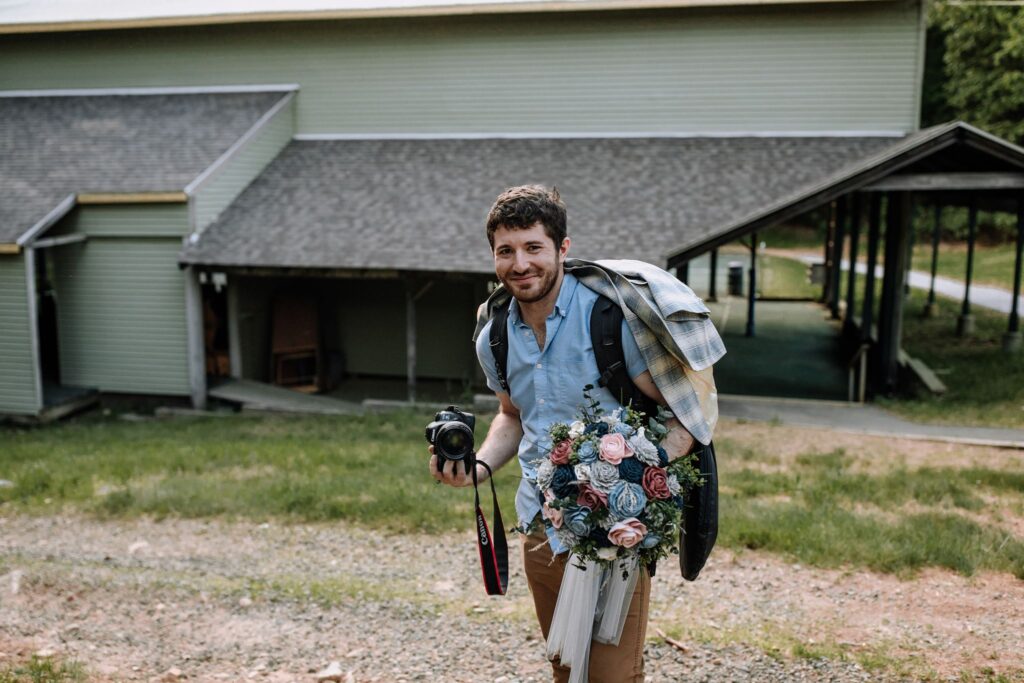
Most of my personal gear recommendations are connected to the Canon camera ecosystem because that is what I have used for most of my life.
I started with simple Canon point-and-shoot cameras and early Canon Rebel models. Today, my setup is built around Canon mirrorless bodies, older Canon DSLR bodies, Canon EF and RF lenses (as well as some Profoto flashes).
At the same time, I am fairly gear agnostic. Canon, Nikon, Sony, Fujifilm, Olympus/OM System, Panasonic, and other camera brands all have something valuable to offer. In most cases, the difference between brands matters less than whether the camera feels good in your hands, supports the lenses you want, fits your budget, and helps you create consistently.
If you want to see the specific gear I use in my professional and personal photography work, you can check out the following link where I break down my exact gear kit that I use for my professional (wedding, elopement, portrait work) and personal photography projects.
Recommended Camera Gear – My Comprehensive Overview
In this section, I am going to highlight the main categories of camera gear you will need to look at (camera bodies, camera lenses, flashes, and accessories) and give you my top recommendations that will work for photographer’s of all skill levels, budgets, aspirations (hobbyists and professionals alike), and subject matter you plan to photograph (yes, this equipment will work for everyone from the wedding/portrait photographers like myself to landscape, sports, commercial, etc. types of photography!).
Some of my recommendations are more recent releases, while others may have come out years ago but still are valuable considerations depending on your goals and budget. In all cases (unless specifically noted), I own and use all of the equipment suggested here.
My Top Recommended Camera Bodies
Camera bodies are the part of the camera you usually think of when you think of a “camera.” This is the piece of equipment that allows you to control everything about your photography. It ultimately sets the foundation for the quality of the images you will end up creating. If you’re going to spend more money on anything, do it here – as a high quality camera body will make even more budget friendly lenses output better.
For my own work, I primarily use Canon camera bodies. My current workhorse setup is built around the Canon R6 mirrorless line, while I still keep older Canon 5D series bodies as backup options. Generally, you will find a lot of recommendations online for the Canon Rebel Series cameras specifically for beginners or people on a more restricted budget – but for the price point, I’d rather you consider a more pro level model that is a bit older (like the Canon 5D Mark III DSLR camera body, which I share more about below) to immediately have better quality and longevity out of the gate (even on a more “dated” system).
Key features I look for in camera bodies:
- Consistent auto-focus capabilities
- Good performance in low light
- Holds up well after a lot of wear and tear
- Ability to shoot in Camera RAW (or equivalent file type)
- Feels good to use (good weight, ergonomics, etc.)
- Easy compatibility with my lens preferences, flashes, and other accessories
- Dual SD card slots (absolutely required as a professional!)
With all this said, I do not think every photographer needs to use what I use. A beginner, hobbyist, or lower-frequency photographer can often get a lot of value from previous-generation bodies, refurbished options, or more budget-conscious models.
Canon R6 Mark III
This is the most up-to-date camera body available in the R6 line, excellent for professional work (weddings, portraits, etc.) and a great choice if you’re wanting the “latest and the greatest.”
The biggest differentiators from the previous model is increased image quality, improved autofocus, and higher resolution video (if you’re into that sort of thing).
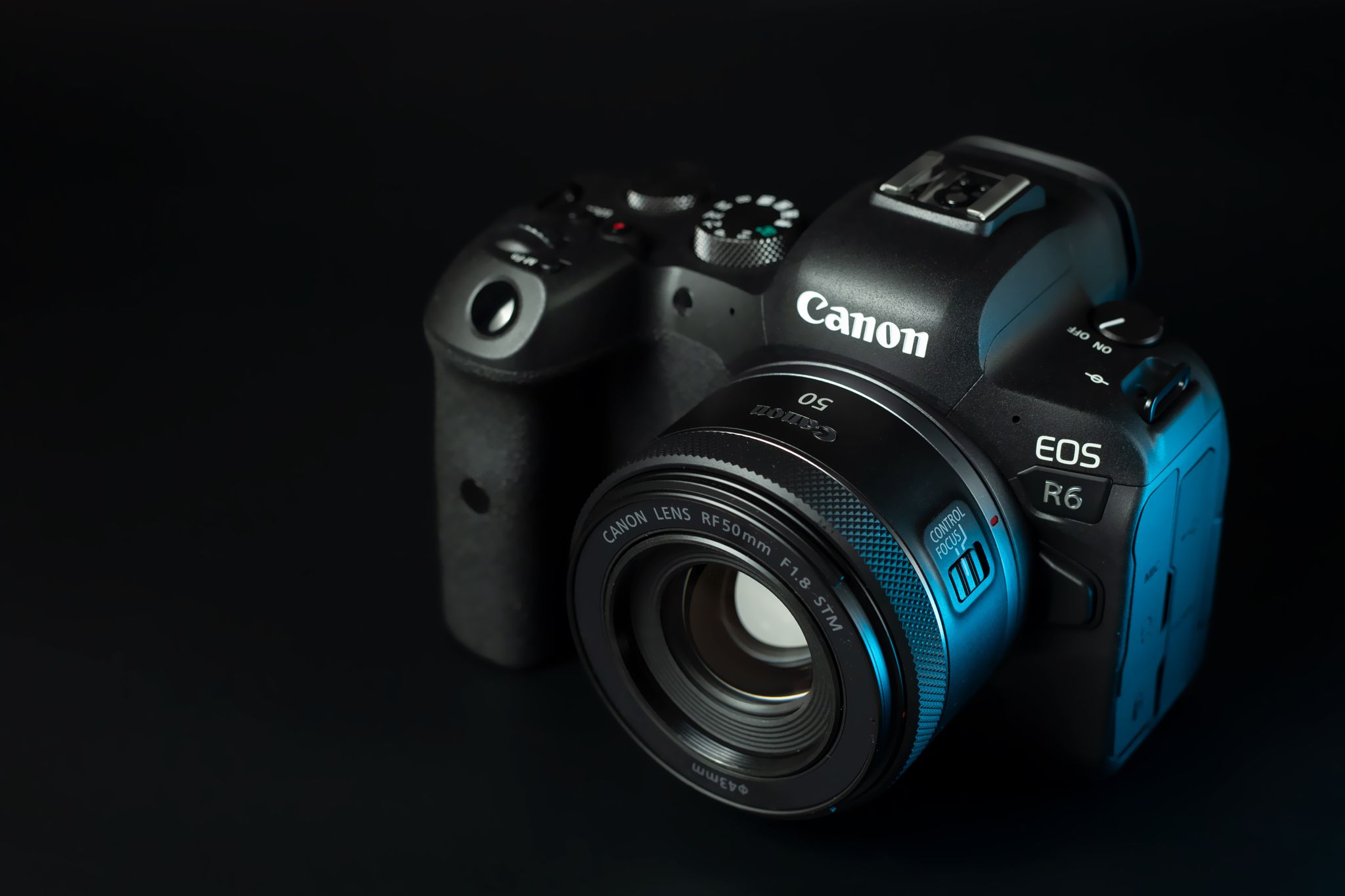
Canon R6 Mark II
This is my current “workhorse” camera body that I use for all my professional and personal shoots.
It’s an excellent choice for photographers wanting high performance capabilities in a variety of shooting conditions. It’s made a massive impact on my photography, especially with it’s really excellent auto-focus and low light capabilities.
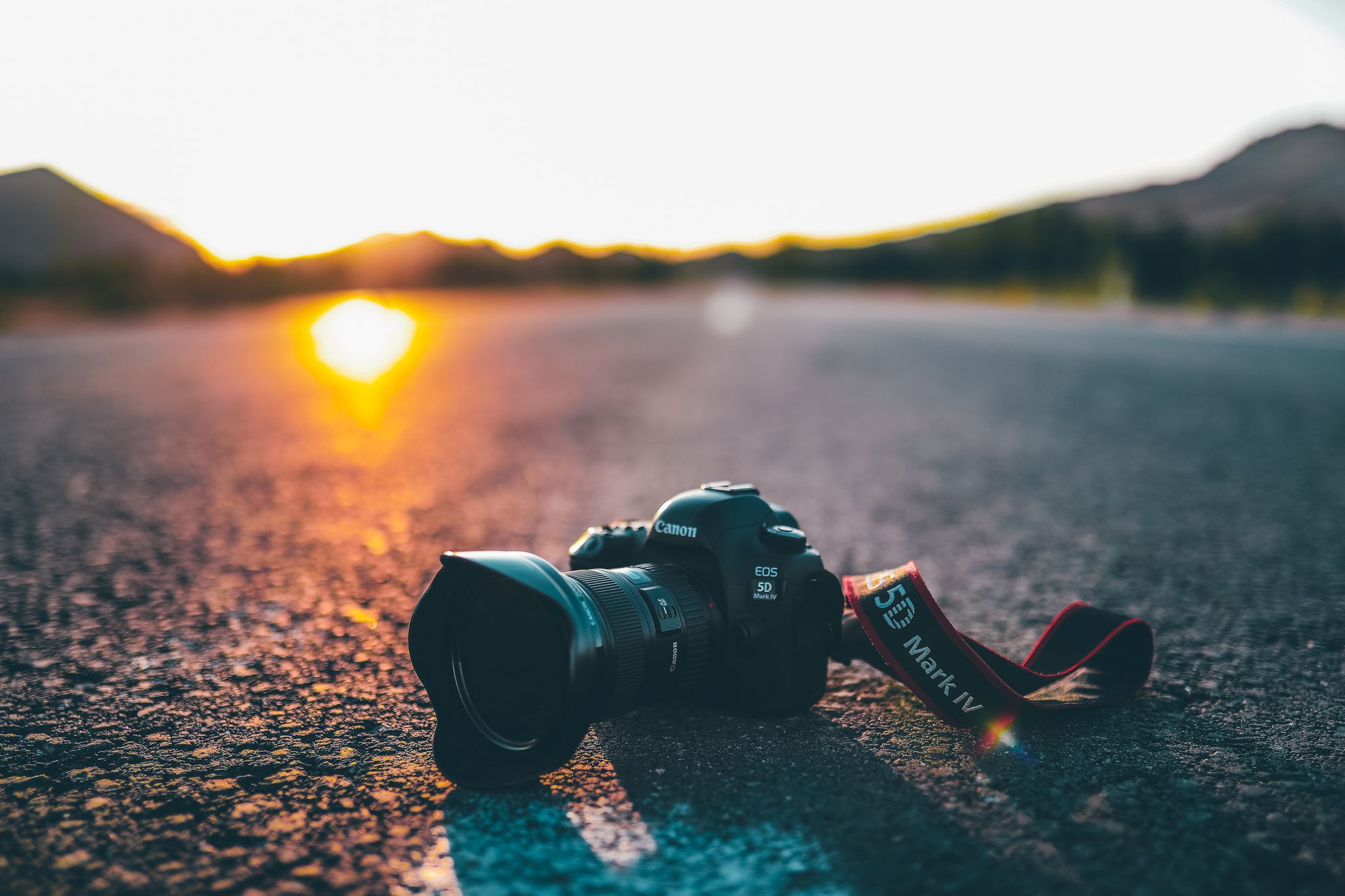
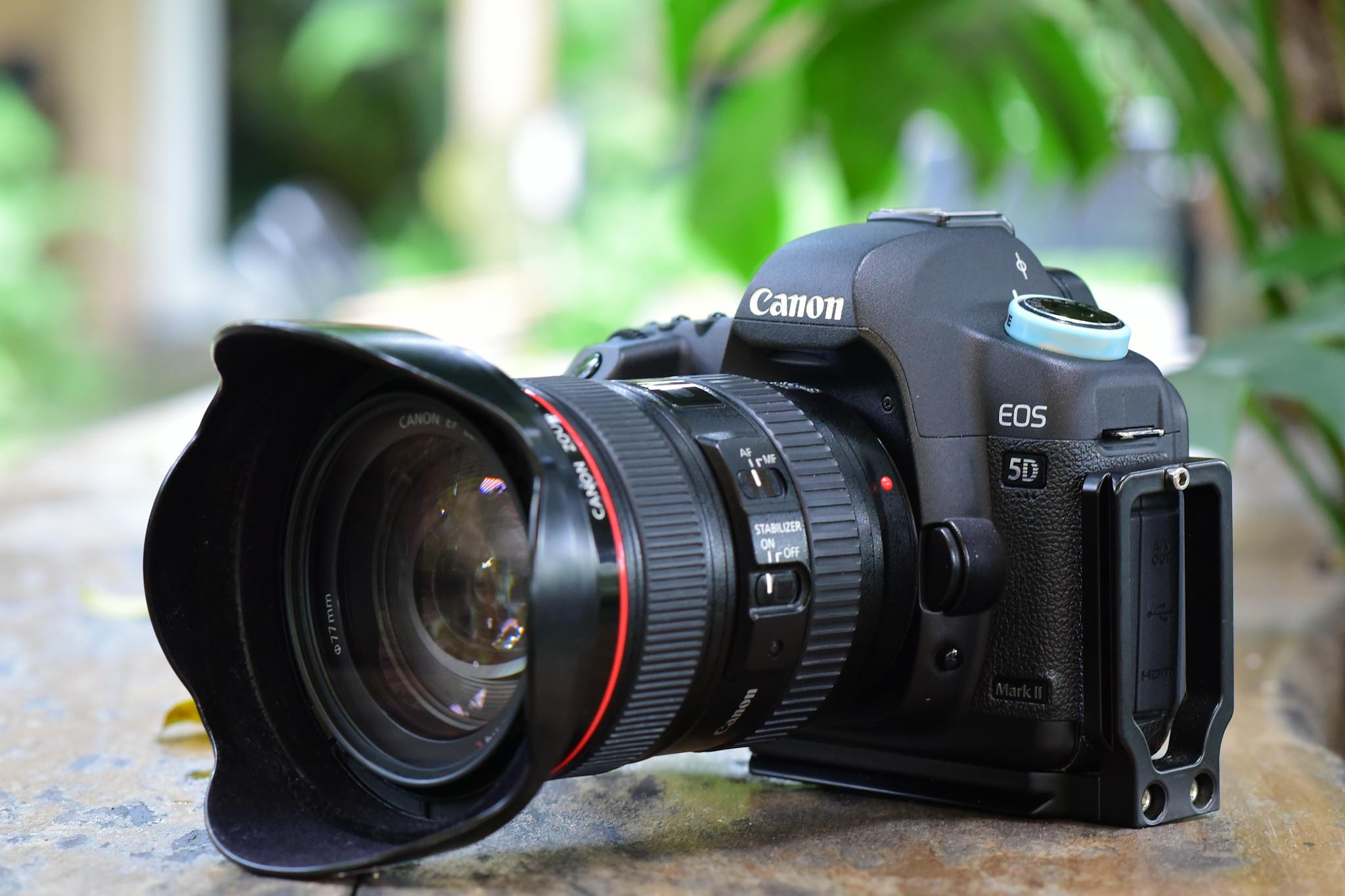
Canon 5D Mark IV
This is the last of Canon’s pro level DSLR camera line, but remains an excellent camera body even to this day.
I still have and occasionally use my Mark IV as a secondary/backup camera even in pro work. I also use it for video content recording in my studio. I believe a photographer who is entering the professional side of the industry would still get a lot out of this camera.
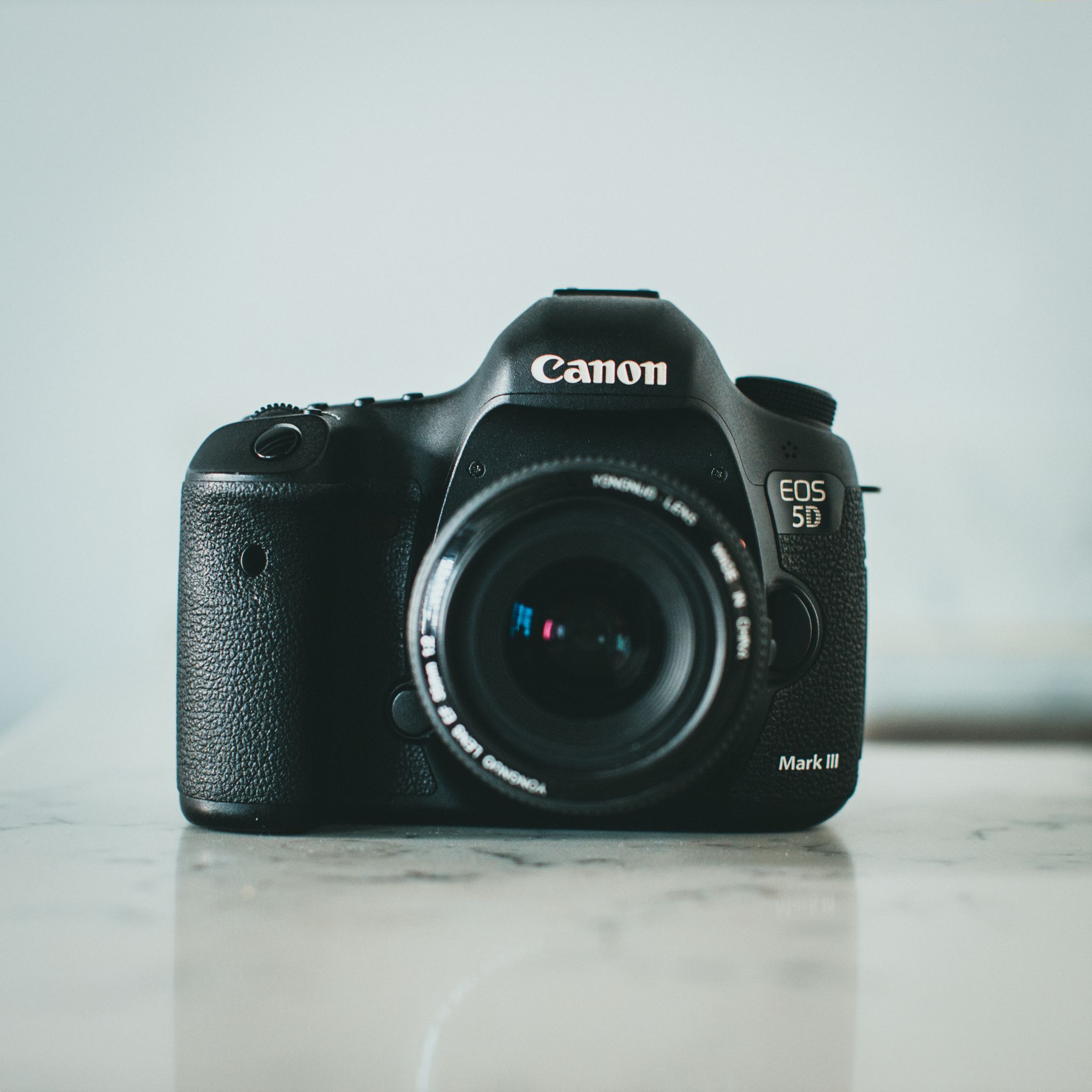
Canon 5D Mark III
This is the most dated recommendation on my list, but I believe still an excellent camera body – especially for someone on a tighter budget or a beginner.
The current used/renewed version of this body cost puts this in competition with true “beginner” models by Canon, but, even compared to today’s Canon Rebel cameras, it is still miles ahead in terms of quality.
My Top Recommended Camera Lenses
My own kit includes a wide range of Canon EF and RF lenses because my work requires flexibility. I actually have about 10 camera lenses I use regularly during my client work covering a wide range of focal lengths, capabilities and a few I keep around more for the novelty factor for occasional creative use.
It’s important to keep in mind that, as a professional, working wedding photographer, on a client’s wedding day, I may photograph wide environmental scenes, candid movement, portraits (individuals, couples, large groups), family groupings, small and large details, rapid moving dance floor moments, and low-light situations (and more…). Wedding photography is really a perfect analog for almost every other photography subject and style, since it requires gear (and a photographer who knows how to use it) that makes sense for a wide range of subject matter.
For many photographers, though, you do not need every focal length (and certainly don’t need them all right away). A strong first lens or small set of reliable lenses can carry you a long way!
For the purpose of this page, I’m going to provide you my most streamlined recommendations that will fit virtually any photographer’s need.
The two lenses I highly suggest having in your kit (and could even be your entire kit depending on your needs) are:
- 16-35mm with lower f-stop (f/2.8). This is a zoom lens that enables you to have a range of wider focal lengths. At 15/16mm (depending on the lens), you will have a wider, almost fisheye style effect. At 35mm, the perspective is close to that of the human eye (how we see the world). I use this type of focal range heavily in my work for everything from landscape style photos, wide photos of wedding venues, big group shots, dancing photos, portraiture, and more.
- 70-200mm with lower f-stop (f2.8). This is, quite possibly, my favorite focal length and lens type to work with. It’s just fun to use. For portraits and documentary/candid style photography (weddings, elopements, other events, even “street” photography), it is a must have because it gives a lot of flexibility because it can be quickly zoomed in-and-out as needed and you can be further away from your subjects. The depth of field and compression it creates (separation from subject and background) is also amazing, especially in the models I recommend here. I believe a lens like this is a good example of how “real” camera gear can separate from phone photos.
Shop these lenses in the Canon RF Lens Line
The Canon RF lens line is their latest line of lenses, compatible with most newer Canon camera bodies (such as the Canon R6 and R5).
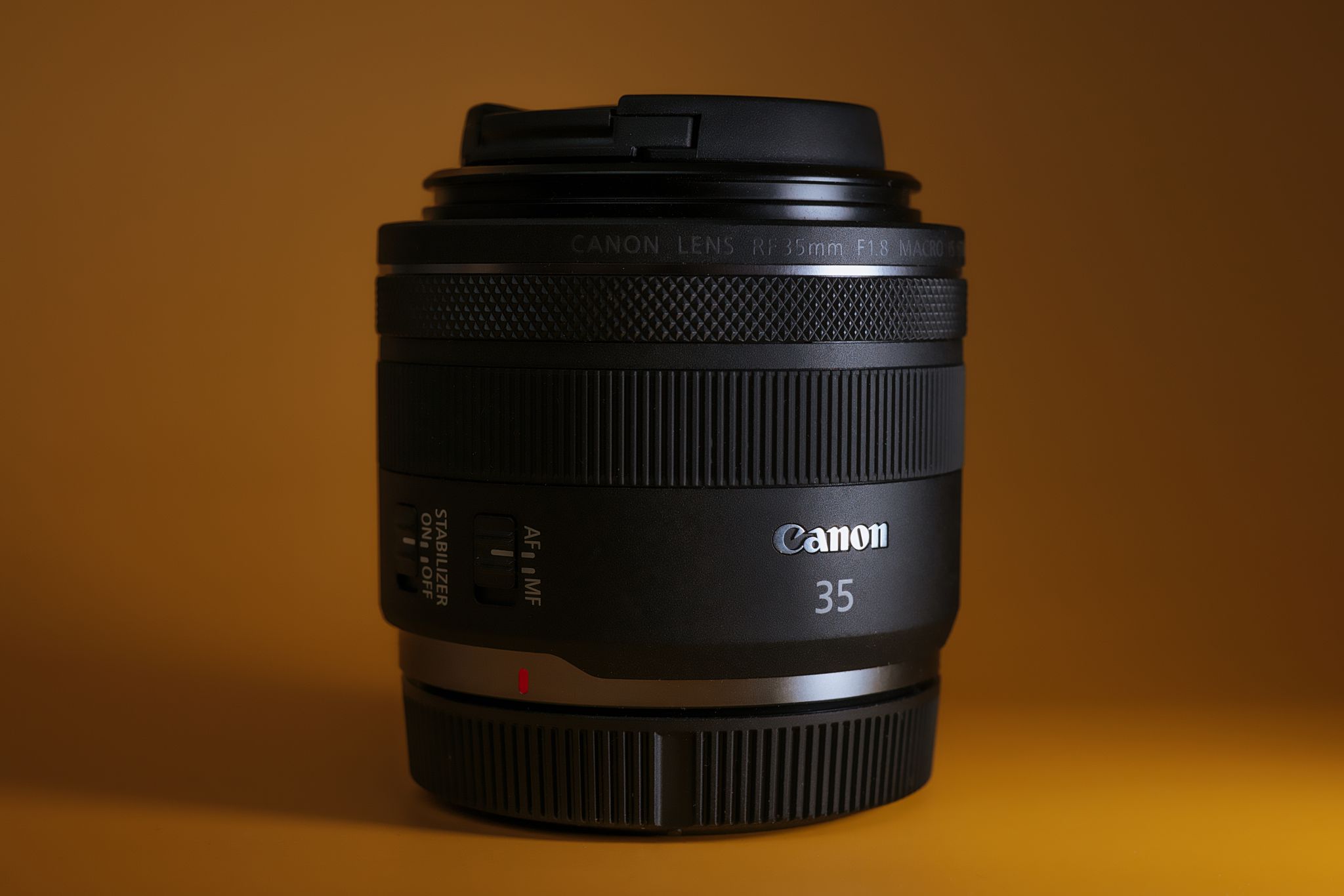
Canon RF 15-35mm
A versatile wide-angle lens for photographers who want flexibility, sharpness, and reliable performance in Canon’s mirrorless system.
I like this focal range for wide environmental portraits, landscapes, interiors, wedding prep spaces, dance floors, and any scene where you want to include more of the setting without losing image quality.
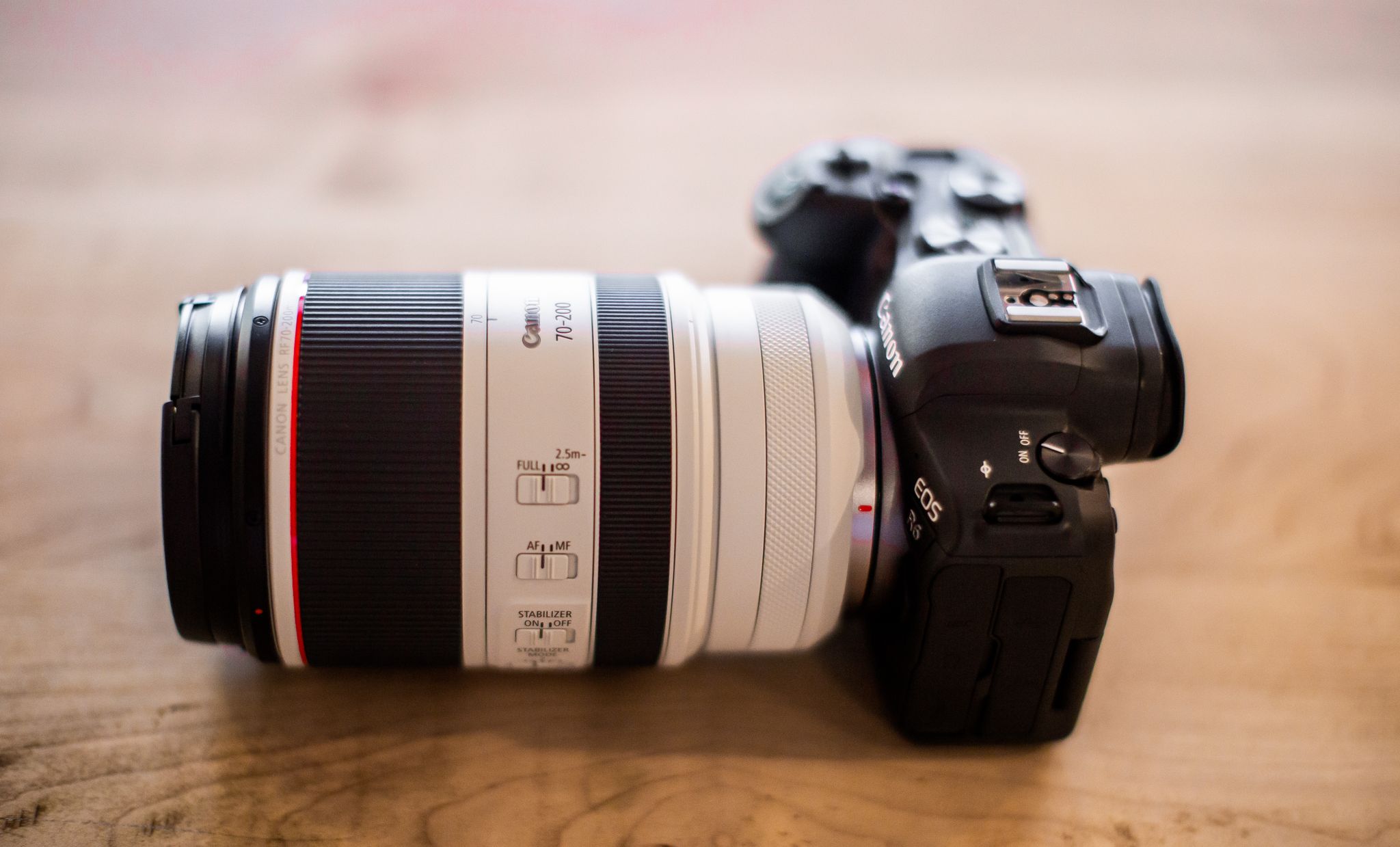
Canon RF 70-200mm
A professional telephoto zoom that works beautifully for portraits, weddings, ceremonies, candid moments, and compressed background scenes.
This is the kind of lens I consider a true workhorse because it lets you create clean, polished images from a distance while keeping your subject separated from the background.
Shop these lenses in the Canon EF Lens Line
The Canon EF lens line is an older line of lenses, but still works incredibly well. These lenses will work natively with camera bodies in their DSLR line (such as the Canon 5D Mark IV and Mark III), and can work with more recent camera bodies (such as in their mirrorless line like the Canon R6) with a simple and affordable adapter mount.
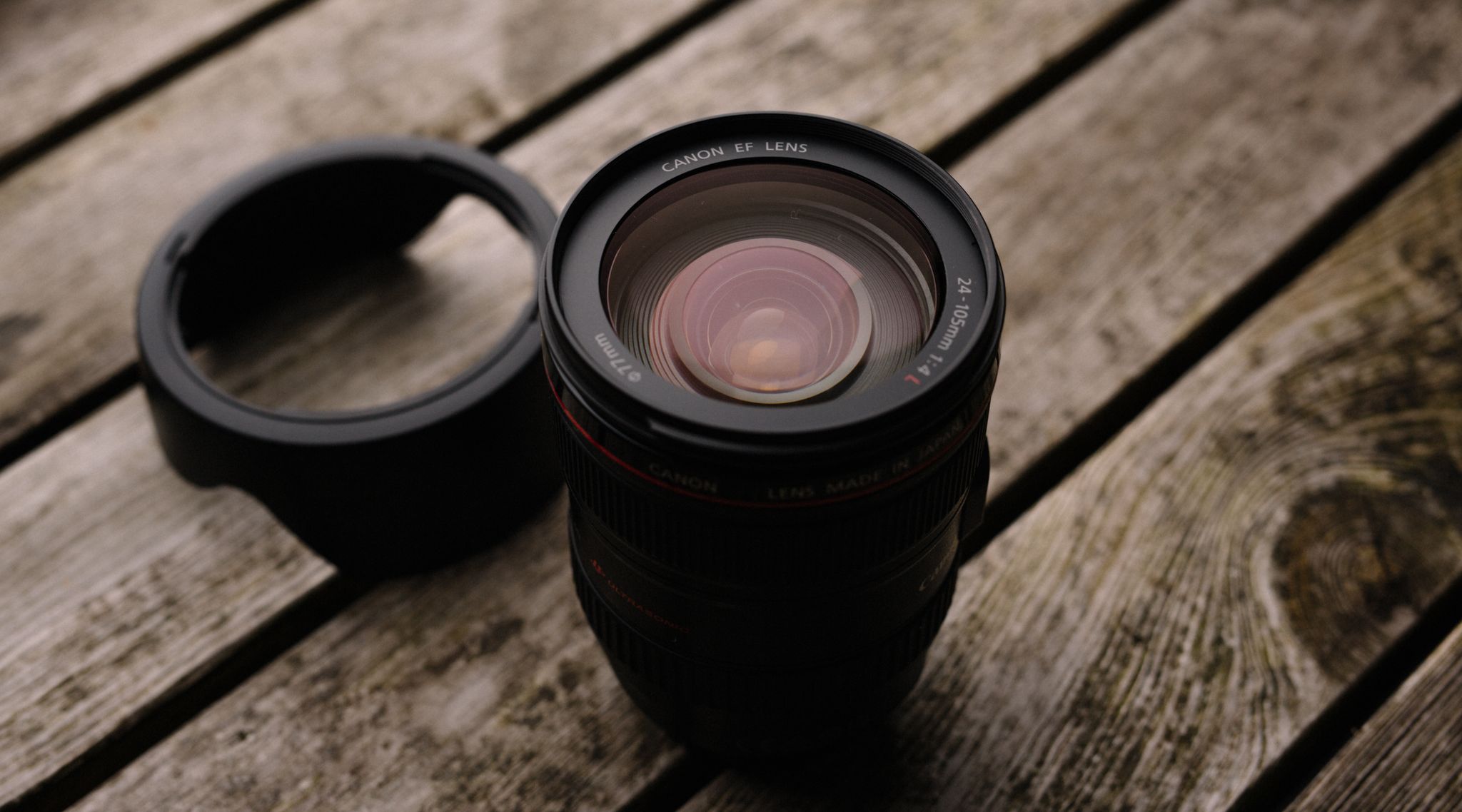
Canon EF 16-35mm
A strong wide-angle option for photographers using Canon DSLRs or adapting EF lenses to newer mirrorless bodies.
I’ve found this focal range especially useful for wedding days, tight indoor spaces, wide environmental portraits, landscapes, and moments where stepping back simply is not possible.
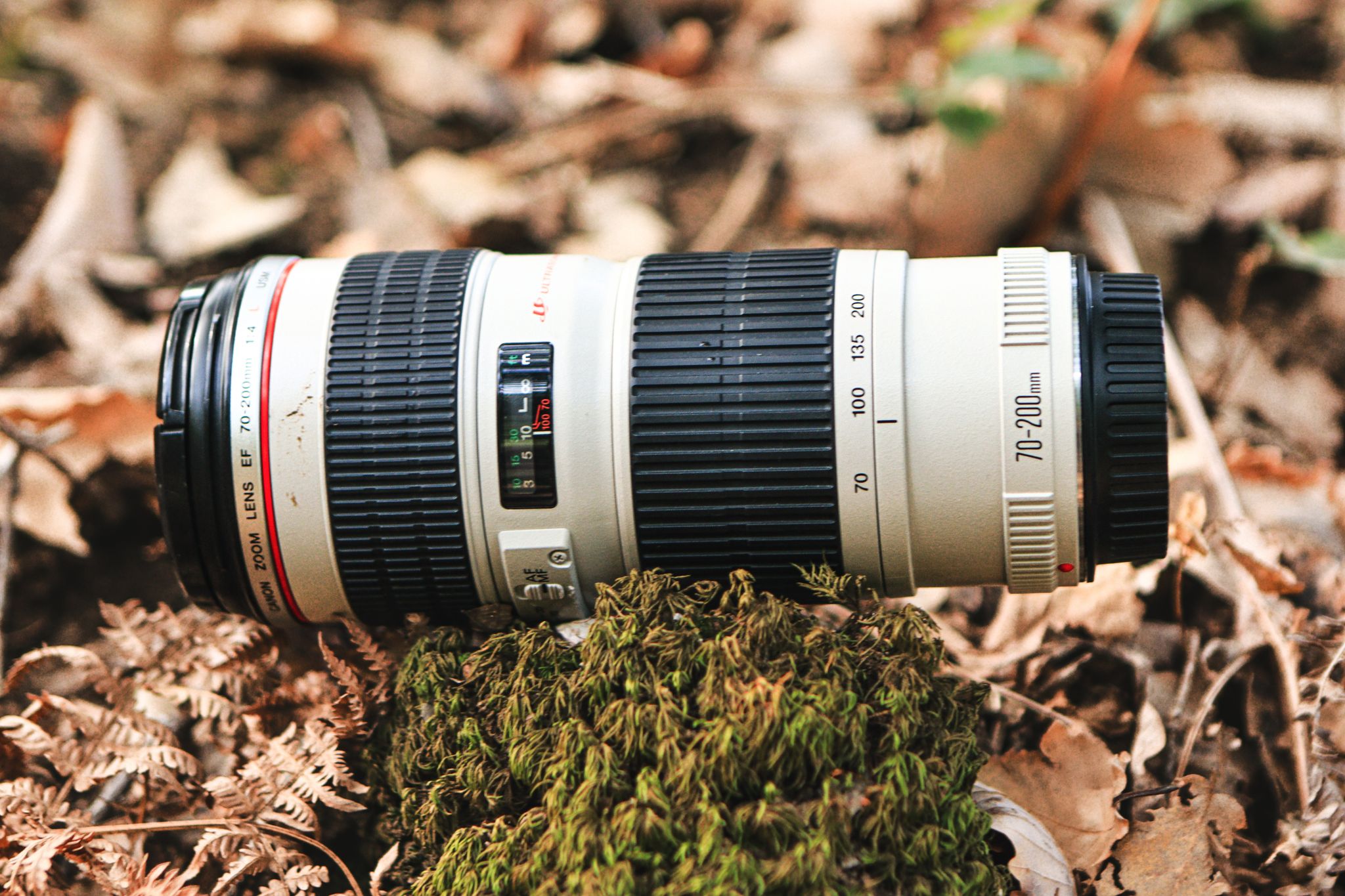
Canon EF 70-200mm
A classic Canon workhorse lens for portraits, weddings, events, and candid photography.
Even as newer RF options are available, this EF version can still be a smart choice for photographers who want excellent image quality, strong versatility, and potentially better value when buying used or refurbished.
Flashes
For flash, I currently use Profoto A-series flashes because they are simple, reliable, and easy to work with during fast-moving events. To be hyper specific – their menu is incredibly easy to navigate and makes dialing in the right settings much easier than more traditional flash recommendations I’ve used (which have included selections from Canon, Sony, Godox, Yongnuo, and other brands). In addition, the onboard TTL flash mode (essentially an “auto” setting for flash) works incredibly consistently even during complex wedding days, which makes using flash easy.
Personally, I like having a system that can work on-camera, bounce flash, direct flash, or sync into an off-camera setup when needed. The Profoto’s do all this natively without the needing for additional peripherals as well (some flashes require you to use a separate transmitter system, these have it built in).
I will admit, Profoto is a bit pricey but in my experience – you get what you pay for. There are more budget-friendly flash systems available (and I suggest Godox as a more affordable alternative that has similar quality), but my priority has always been reliability and ease of use.
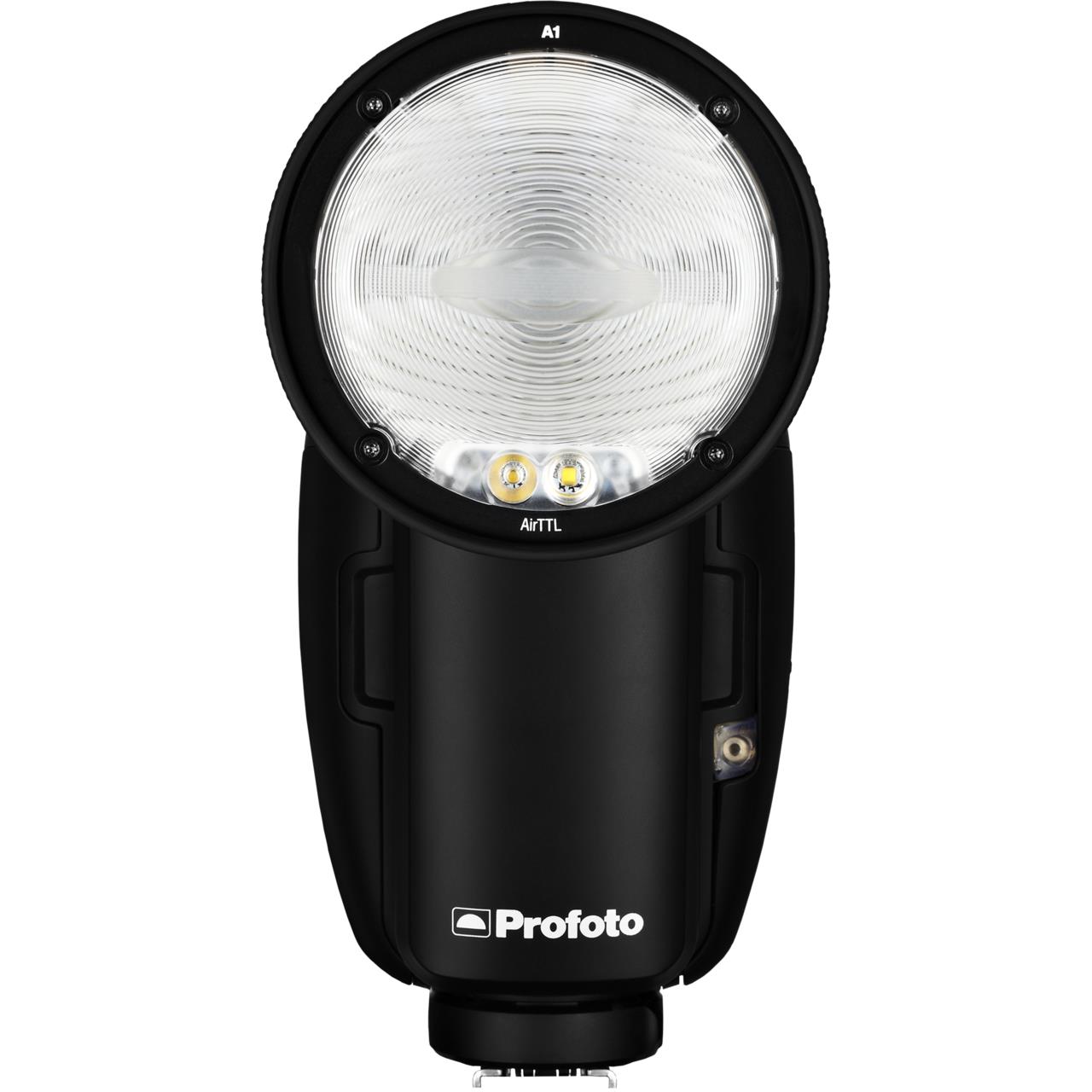
Profoto A10
A reliable, easy-to-use flash for photographers who need consistent lighting without getting buried in overly technical menus.
I use Profoto A-series flashes because they work well for fast-moving wedding days, on-camera flash, bounce flash, and occasional off-camera setups where simplicity and reliability matter.
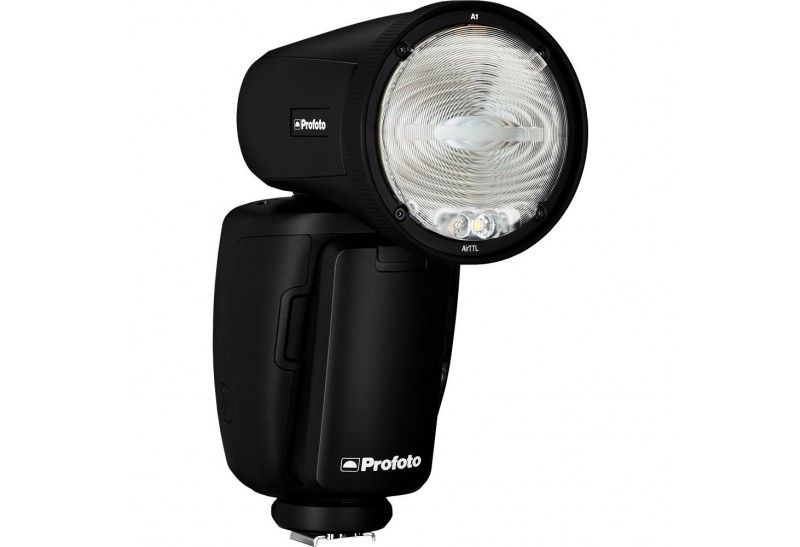
Profoto A1 (Used)
A strong used-market option for photographers who want access to the Profoto A-series flash system without buying the newest model.
The A1 and A1X can still make a lot of sense if you want simple controls, reliable performance, rechargeable battery packs, and a flash system that works well for weddings, events, portraits, and occasional off-camera lighting.
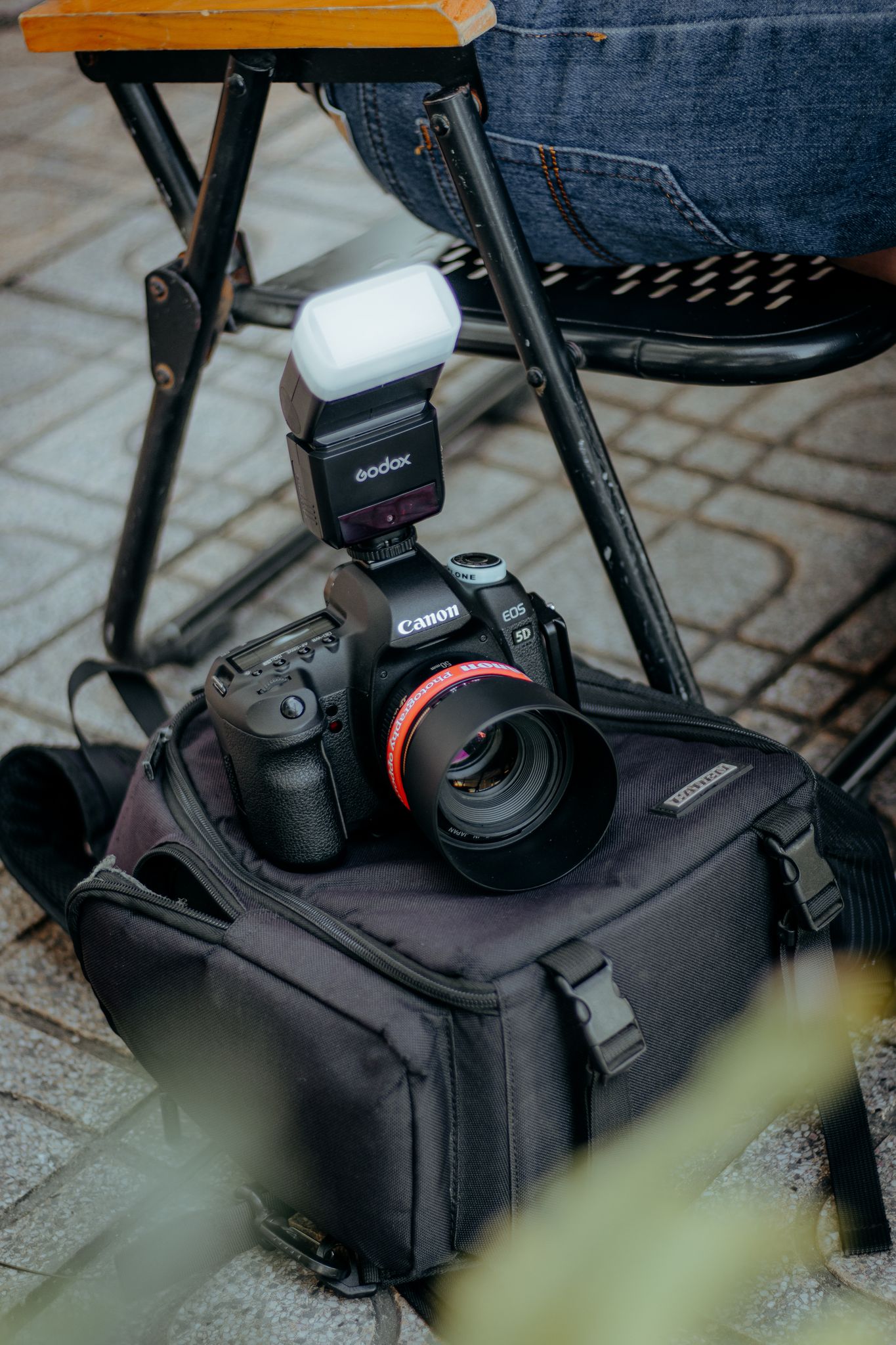
Godox V1
A more budget-friendly alternative for photographers who want a round-head flash with strong flexibility at a lower price point.
I would consider this a practical option for beginners, hobbyists, or budget-conscious photographers who want to experiment with on-camera flash, bounce flash, and simple off-camera lighting without investing in the Profoto system.
Accessories
These are the less glamorous tools that help your camera setup actually function well.
Extra batteries, dependable SD cards, camera straps, bags, hard drives, cleaning supplies, filters, and tripods all matter more than people often realize. Below, I’ve featured the most essential accessory selections that will be the right fit for any photographer. I’ve also included (and will continue to update this page with new) resources covering other categories in more detail.
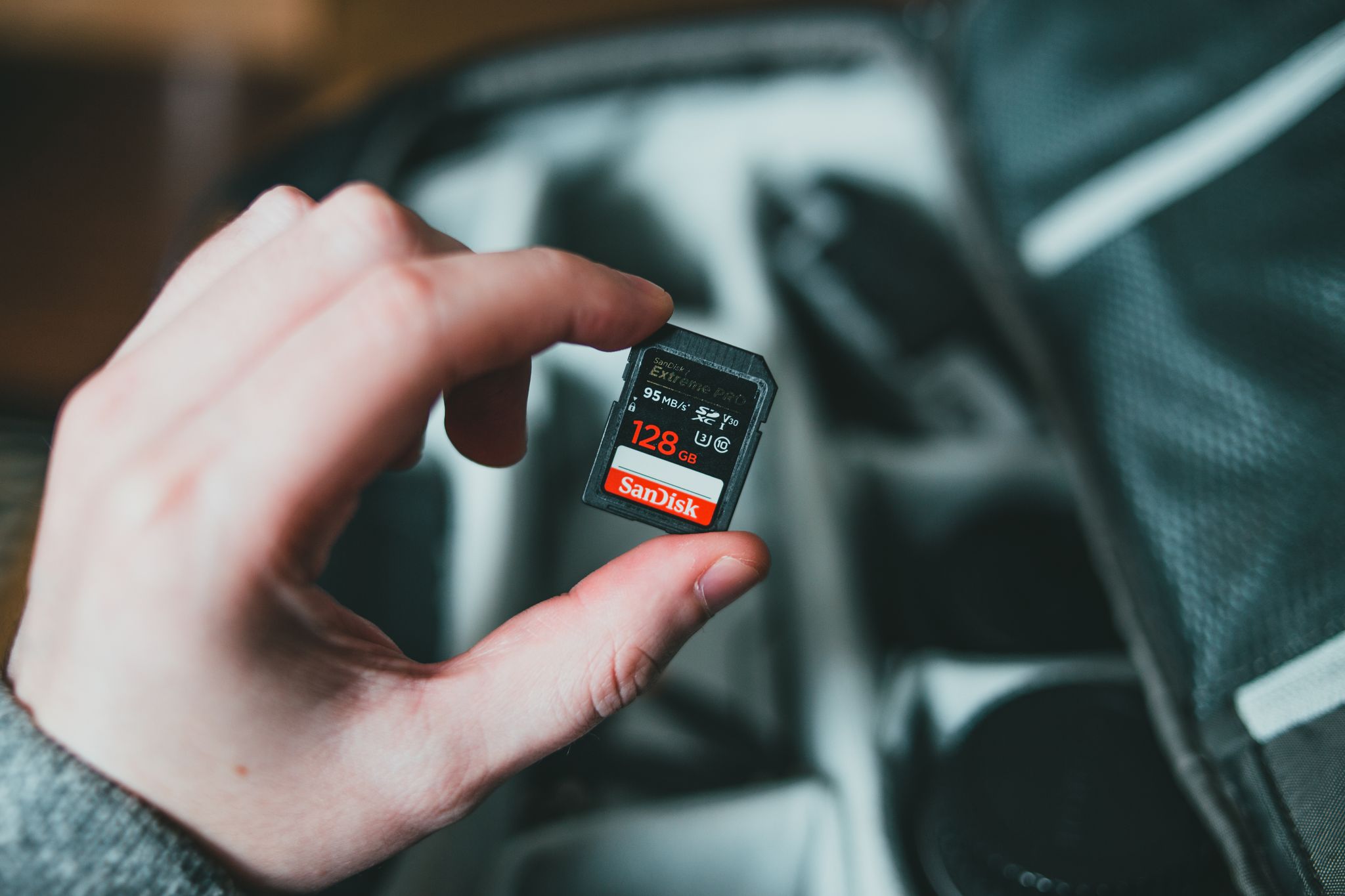
SanDisk SD Cards
Dependable SD cards are one of the least exciting, but most important parts of a camera kit. I use and recommend SanDisk cards because they have been reliable for high-volume work, including weddings and sessions where card failure is not something I want to worry about.
I primarily shoot on 128gb cards as this has enough storage space for a full wedding documentation. Always dual-write if shooting professionally!
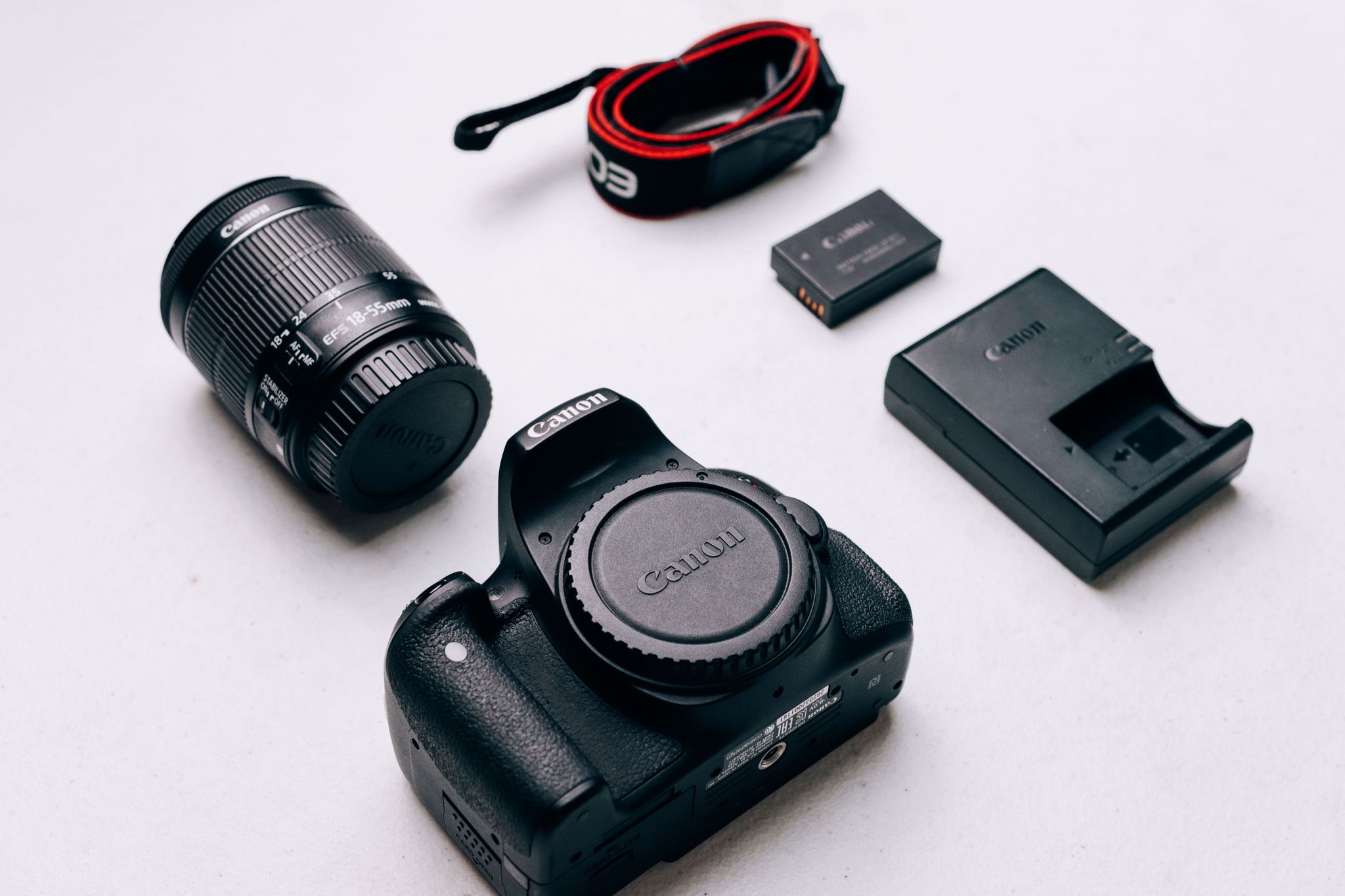
Canon Camera Batteries
Extra camera batteries are essential if you photograph long sessions, weddings, events, travel, or anything where you will be away from a charger for a while.
I prefer sticking with Canon batteries for my main camera bodies because reliability and accurate battery communication matter when I’m working under pressure.
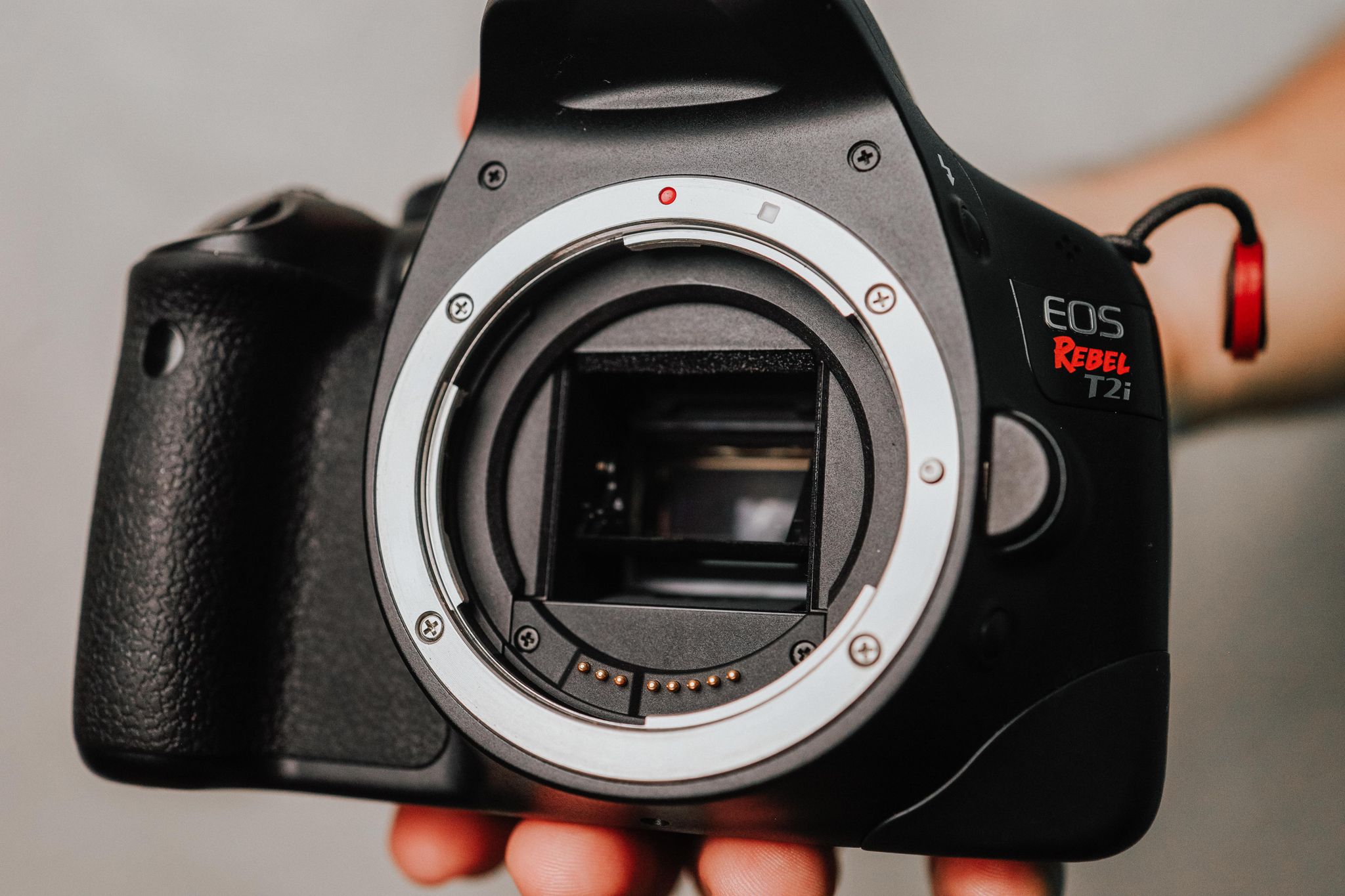
Canon Lens Mount Adapter
This adapter lets you use Canon EF lenses (which are older models) on compatible Canon RF mirrorless camera bodies.
It is one of the most useful accessories for photographers moving from Canon DSLRs to mirrorless because it allows you to keep using high-quality EF glass (which is now at a more affordable price point vs. newer RF glass) instead of replacing every lens at once.
New vs. Used Camera Gear
Buying new can give you more peace of mind, especially if you are a professional or aspiring professional who needs warranty support, predictable condition, and long-term reliability.
Buying used or refurbished can also make a lot of sense, especially if you are budget-conscious, buying older lenses, or trying to get higher-quality gear without paying current new-release prices.
When buying used, I would pay attention to:
- Seller reputation
- Return policy
- Shutter count for camera bodies
- Lens condition
- Warranty or refurbished status
- Whether the gear can be tested thoroughly after purchase
Used gear can be a smart decision. It just needs to be treated as a decision with some added risk.
Phone Photography vs. Buying a Camera
Your phone can absolutely be a valid photography tool.
If you are just starting out, photographing family moments, experimenting casually, or trying to see if you enjoy photography, a phone camera is a reasonable place to begin. I still use my phone for quick ideas, personal moments, and family photos when I do not want to carry a full kit.
But a dedicated camera can change the experience.
When you pick up a camera, choose a lens, adjust your settings, and make a photograph intentionally, the process slows down in a good way. You are not just documenting what is in front of you. You are making creative choices.
That does not mean everyone needs an expensive camera. But if photography is becoming more meaningful to you, a dedicated camera system can help you engage with the craft more intentionally.
Featured Free Resource
Photographer Gear Setup Guide
Not sure what camera gear actually makes sense for you?
The Photographer Gear Setup Guide gives you a practical starting point for thinking through camera bodies, lenses, accessories, and setup paths based on your goals. It is built to help you avoid random purchases and focus on gear that has a clear purpose.
By subscribing to our mailing list, you’ll receive occasional educational and promotional emails from us. Opt out anytime.
Latest Photography Gear Articles


Related Tools & Software
Camera gear is only part of the photography workflow.
If you are building a photography business or want to improve the systems around your work, you may also want to explore tools for websites, client management, online galleries, email marketing, photo editing and post production, delivery, and business workflows.
A Note on Affiliate Links
Some links on this page may be affiliate links, which means I may earn a commission if you choose to purchase through them.
I only recommend gear that I either use, have used, or believe is worth considering based on my experience as a working photographer. That said, camera gear is personal, and most gear recommendation sources online have some kind of financial incentive.
Use this page as a starting point, but do your own research too. Read reviews, compare options, rent gear if possible, visit a local camera shop if you have one nearby, and make sure the gear you buy fits the way you actually want to photograph.
The best camera gear is not the gear that looks best on paper.
It is the gear that helps you create more consistently, work with less friction, and stay focused on the photographs you actually want to make.
Start with your use case. Think honestly about your budget. Buy with a purpose. And remember that gear is only one part of becoming a better photographer.