
How to Start a Photography Business – A Practical Beginner’s Guide
Learning how to start a photography business can feel exciting, overwhelming, and a little unrealistic all at the same time.
On one hand, photography is accessible. All it takes to get started is a camera, a few lenses, some practice, and a willingness to work with people (if you’re wanting to do portraits/weddings).
On the other hand, turning photography into a real business means you eventually have to learn things that have very little to do with taking photos.
Things like legal setup. Contracts. Taxes. Marketing. Pricing. Client communication. Gear. Workflow. Sales.
I know this from experience.
My own photography business focuses on weddings, elopements, and portraits, usually for couples and families. Starting that business with my wife ended up being one of the most important decisions of my life. That might sound dramatic, but it changed the entire trajectory of what my day-to-day life looks like.
I’ll be the first to admit, it was not easy. The first couple of years were very stressful (in particular). We worked day jobs while building the business on the side. We charged less than we do now, took on a lot of learning as we went, and had to figure out how to turn something we loved into something that could actually support our lives.
More than 10 years later, I can say it has been worth it!
This guide will walk through how to start a photography business in a practical way: choosing your niche, setting things up legally, building a portfolio, getting clients, buying gear, pricing your first work, managing your workflow, and thinking honestly about the risks and rewards.
The Short Answer: How Do You Start a Photography Business?
To start a photography business, you need to choose the type of photography you want to offer, set up the business legally, build a starter portfolio, create a basic marketing presence, get the necessary gear and tools, use contracts, and create a process for getting inquiries and turning them into bookings.
At a simple level, the process looks like this:
- Choose your photography niche
- Pick a business name
- Decide on a business structure
- Register your business if needed
- Open a business bank account
- Set up basic bookkeeping
- Get contracts and insurance in place
- Build a starter portfolio
- Create a basic website and marketing presence
- Price your first paid work
- Get the essential gear and tools
- Start marketing and taking paid work
- Create an inquiry and booking process
- Improve your systems as the business grows
You do not need to have everything perfect before you start.
Your first website will not be your best website. Your first pricing guide will change. Your first client workflow will likely feel clunky. Your first year in business may involve a lot of guessing, adjusting, and learning things the hard way.
That is totally normal!
The goal is not to start perfectly. The goal is to start carefully enough that you are protected, clear enough that people can hire you, and consistent enough that the business has a real chance to grow.
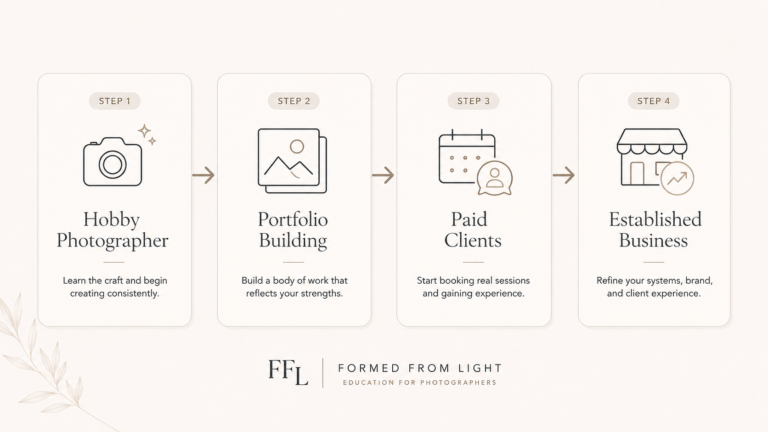
My Background: From Hobby Photographer to Full-Time Business Owner
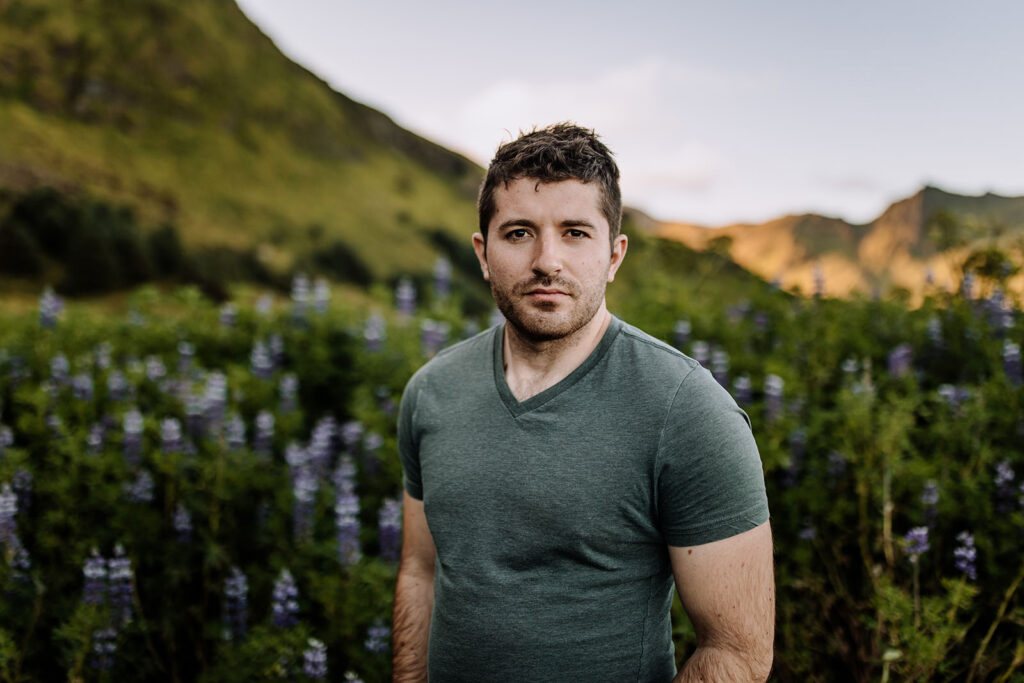
I did not grow up around professional photographers.
Like a lot of people, I grew up with the traditional guidance: go to school, get a degree, get a job, and probably stay in that job or field for a long time. I followed that path for a while…I studied psychology and philosophy, worked in a group home, and eventually ended up in corporate compliance for about eight years mostly working in a cubicle.
I worked my way up from contractor to employee to management.
On paper, it was fine. I had stability, reasonable income, decent hours, and a clear path forward.
For some, this may already sound like a “dream life.”
But I was not happy…
Photography had been part of my life for a long time, mostly as a hobby. My wife and I both enjoyed taking photos when we were younger: landscapes, people, random things, whatever caught our attention. But seeing photography as a possible career did not really click until we were planning our own wedding.
Hiring our own wedding photographer opened our eyes. We got to see someone doing this professionally, charging real money, creating meaningful work, and building a business around it. Before that, professional photography felt like something other people did. Suddenly, it felt more possible.
From there, my wife started shadowing other photographers and second shooting. Not long after, we started getting some of our own bookings. They were low-priced in the beginning, mostly to get people in the door and build a portfolio, but that early momentum showed us there was a path.
And honestly, a lot of those early lower-paying jobs were great experiences. I have nothing negative to say about the clients we worked with. Some cared deeply about photography and were stretching their budget to work with us. Others were simply looking for something affordable and good enough for where they were in life. Both types of clients taught us something.
At the time, even a few hundred dollars for a weekend shoot felt meaningful to us. Your perspective on early pricing often depends on where you are in life. If you are working a lower-wage job, a small paid shoot may feel like a huge step forward. If you are coming from a corporate job making a higher salary, the same amount may feel less exciting. Neither perspective is wrong. It just changes how you experience those early bookings.
We still held onto our day jobs for a few years. My wife worked for about three years before going full-time. I stayed at my corporate job longer and eventually left a little over six years ago.
That slower path was right for me. I wanted stability. I wanted (“cheaper”) health insurance. I wanted to save money. I wanted to know that when I left, I would not have to crawl back to a job I did not want.
Some people jump in faster. That can work too. In fact, I have friends and peers who have done just that (and most turned out just fine!). But for a lot of photographers, especially if you have a mortgage, family, debt, or other responsibilities, building the business on the side first can be a very practical choice…
Get my free ebook to learn more
Now, let’s take a look at the steps involved to start your own photography business!
1. Choose Your Photography Niche
One of the first decisions to make is what kind of photography business you actually want to build.
A common mistake new photographers make is offering everything:
- Weddings
- Families
- Newborns
- Headshots
- Real estate
- Products
- Events
- Pets
- Commercial work
- Anything someone will pay for
I understand the instinct. In the beginning, you may feel like you need to take anything you can get. And to some degree, experimenting is normal…
But over time, narrowing your focus makes your business easier to understand, easier to market, and easier to grow.
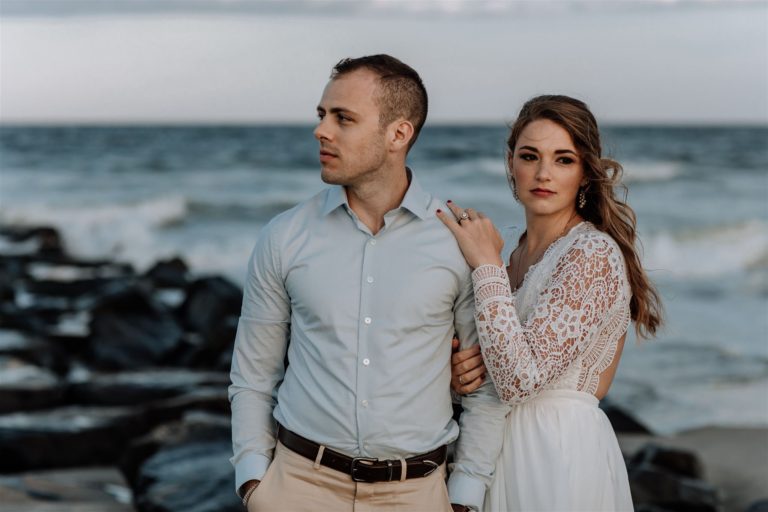
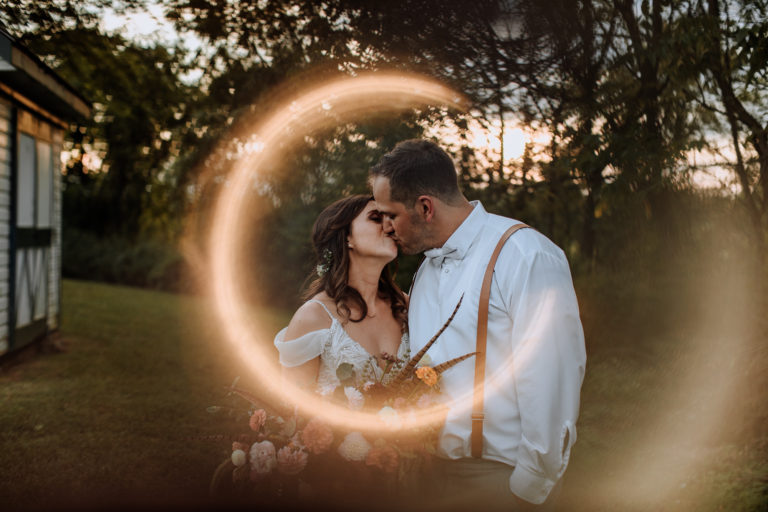
For me, the main focus became weddings and elopements, with portraits as a secondary focus (that also fit pretty naturally with the rest of what I was doing). That includes couples, engagements, and families. I have done other work over the years, including commercial work (like for The Movie Tavern) and magazine-related projects (like for Quiltfolk), but weddings, elopements, and portraits have been the bread and butter.
Choosing a niche helps you answer practical questions:
- Who are you trying to serve?
- What kind of portfolio do you need?
- What gear do you actually need?
- What should your website say?
- What kind of content should you create?
- What problems do your clients need help with?
- What kind of experience are you trying to provide?
This matters even more now because different photography niches may be affected differently by AI and changing technology.
For example, some forms of product or commercial imagery may be more exposed to AI-generated alternatives. That’s not to say there are no opportunities, but it’s definitely looking higher risk. But weddings, elopements, and portraits still have a strong human and documentary value. People want real memories, real people, real emotion, and someone physically present to photograph moments that actually happened.
That does not mean wedding and portrait photographers are immune to change. No industry is. But I do think relationship-driven, event-based, and memory-based photography has a kind of durability that is worth considering.
2. Choose a Business Name
Once you know what kind of photography business you want to build, you need to decide what people are going to call it.
A lot of photographers use their own name.
That is perfectly valid.
Examples:
- [Your Name] Photography
- [Your Name] Weddings
- [Your Name] Studio
This works especially well if you are building a personal brand and expect the business to always be closely tied to you as the individual photographer.
You can also choose a branded name.
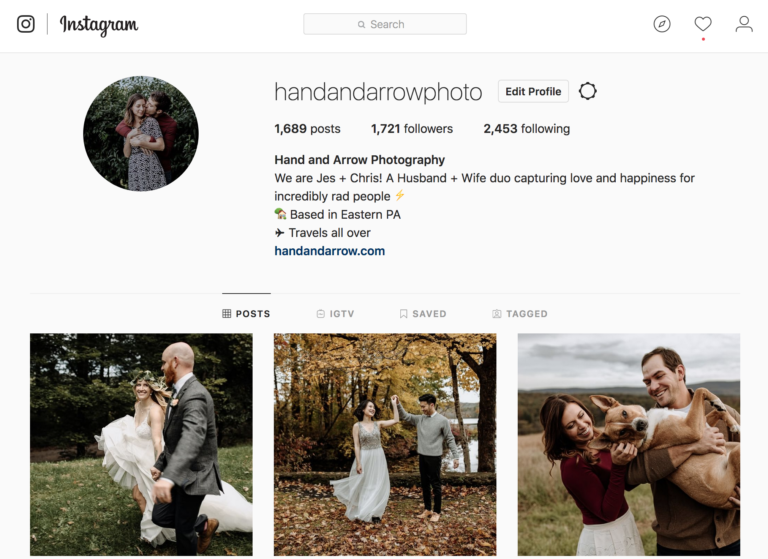
That is what my wife and I eventually did with Hand & Arrow Photography Co. For a very short time, she operated under her own name. Once I joined the business, we wanted something that felt more like a shared brand and less like one person’s photography side project.
There is no universally right answer here.
When choosing a photography business name, consider things like:
- Is it easy to remember?
- Is the domain available?
- Are the social handles available?
- Does it fit the kind of work you want to create?
- Does it leave room to grow?
- Does it sound professional enough for your market?
- Would you still like it five years from now?
You do not need to obsess over this forever, but it is worth thinking through. Changing a business name later is possible, but it can be annoying once your website, contracts, emails, social accounts, and client referrals are all tied to it.
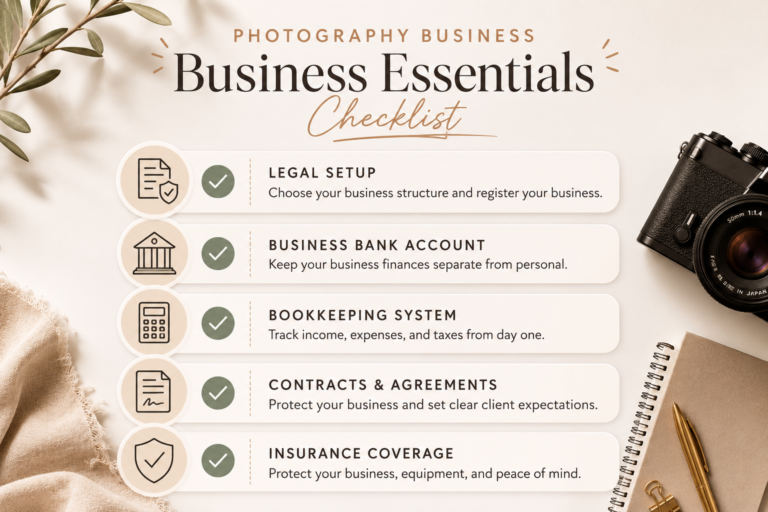
3. Set Up the Business Legally
This is the part a lot of creative people want to skip.
Don’t.
You do not need to understand every legal or tax detail on day one, but you do need to take the setup seriously. This is where it can be worth talking to a lawyer, accountant, or qualified local professional, especially because requirements vary by state, country, city, and business structure.
At a basic level, many new photographers are choosing between operating as a sole proprietor or forming a Limited Liability Company (LLC). A sole proprietorship is generally simpler to start, while an LLC may offer more separation between you personally and the business. The right choice depends on your location, income, risk, tax situation, and long-term goals.
In plain English: do not pick a structure just because someone on YouTube told you to.
Look into what makes sense for your situation!
Common setup steps may include:
- Choosing your business structure
- Registering the business with your state, if needed
- Filing a DBA or fictitious name, if you use one
- Getting an EIN, if appropriate
- Applying for local licenses or permits, if required
- Registering for sales tax, if required in your state
- Opening a business bank account
- Setting up bookkeeping
- Getting contracts and insurance in place
Treat this section as a checklist, not legal advice. The specifics vary depending on where you live and how you operate.
Personally, in my experience and continued research, I think an LLC is the best fit for most photographers who also want the benefits of the legal protections it provides (helps you better separate your business and personal assets).
Open a Business Bank Account
One of the simplest things you can do early is separate your business money from your personal money.
At minimum, you will probably want a business checking account. Eventually, you may want a business credit card too.
This makes bookkeeping cleaner. It makes tax time easier. And it helps you think of the business as a real business, not just money randomly flowing in and out of your personal account.
Set Up Bookkeeping
In the very early days, you might be able to track income and expenses in a spreadsheet (this is what I did!).
Eventually, you will probably want accounting software like QuickBooks, which is what I use.
This sounds more intimidating than it usually is. In my business now, bookkeeping does not take much time because most transactions are recurring or easy to categorize. The key is to build the habit of tracking things before tax season forces you to untangle a mess.
One mistake I made early was not being prepared enough for taxes. After our first year in business, we were hit with a much larger tax bill than expected because I did not fully understand what to set aside.
That is a fixable problem, but only if you know to plan for it.
If I were starting again, I would talk to an accountant earlier in all honesty.
4. Get Contracts and Insurance in Place
A photography contract is not optional if you want to run a serious business.
I’ve seen too many photographers make the mistake of not having a contract in place and watching as that comes back to bite them. Don’t take my word for it either – go through your local Facebook Groups for photographers or Reddit and you’ll find stories almost daily of someone wishing they had one when a project goes sour.
At minimum, you need a service contract between you and your client that explains what is being provided, what is being paid, what happens if there is a cancellation, what your responsibilities are, what the client’s responsibilities are, and how issues are handled.
There are a few ways to get contracts:
- Hire a lawyer to create one for your business
- Buy a reputable photography contract template
- Use a contract platform or legal template provider
- Start with a template and have a lawyer review it
My top recommendation is to work with a lawyer if you can. That costs more, but this is one of the areas where spending money can protect you.
If your budget is limited, a reputable photography contract template may be a reasonable starting point (like through The Legal Paige). Either way, you need something more formal than a verbal agreement or a casual email.
Over the years, I have had to refer back to my contracts many times. Cancellations, reschedules, payment questions, deliverable expectations, and even rare threats of legal action are all reasons to have clear terms in place.
Most client relationships go well.
But after you serve hundreds of clients, eventually something unexpected or complicated will happen.
A good contract does not prevent every problem, but it gives you something clear to stand on.
Business insurance is similar. It may not feel exciting, but it matters. Depending on what you photograph, some venues may require proof of insurance. It can also help protect you if equipment is damaged, someone is injured, or a client dispute turns into something more serious.
5. Build a Starter Portfolio
You do not need a massive portfolio to start getting paid work.
But you do need something…
Your first portfolio is not about proving you have photographed every possible situation. It is about showing enough ability, consistency, and direction that someone can imagine hiring you. The key word is “enough.”
How you build that portfolio depends on what you want to photograph.
If you want to photograph portraits, start setting up portrait sessions. Photograph friends, family members, couples, or people in your network. Make the shoots feel as close as possible to the kind of work you want to book.
If you want to photograph weddings, the stakes are a little higher and it can be tougher to quickly replicate a full wedding day and all the things documented in one. With that said, I strongly recommend getting experience before taking on a wedding alone. That might mean:
- Shadowing another photographer
- Assisting on wedding days
- Second shooting
- Attending styled shoots
- Photographing engagement sessions first
- Practicing in difficult lighting
- Learning timelines and wedding day flow
Weddings are not just photo sessions. They are live events with pressure, timelines, family dynamics, weather, low light, and moments you cannot recreate.
A few good portfolio shoots can help you start. But real experience matters, especially in niches where clients are trusting you with once-in-a-lifetime moments.
How to Start a Photography Business With No Experience
You can start building a photography business with little experience, but you should be careful about what you sell before you are ready to deliver it.
There is a difference between learning photography, practicing with people, and accepting money for high-stakes work. If you want to photograph portraits, you can usually build experience through lower-pressure practice sessions. If you want to photograph weddings, I would be much more cautious.
Weddings move quickly. The lighting changes. People run late. Family dynamics can get complicated. Important moments happen once.
If you have no experience, start by getting close to the kind of work you eventually want to book:
- Photograph friends and family
- Set up practice portrait sessions
- Assist experienced photographers
- Second shoot weddings
- Attend styled shoots carefully and honestly
- Study full galleries, not just highlight images
- Practice in difficult light
- Learn how sessions and wedding days actually flow
With that said, do not wait until you feel perfectly ready, because you probably never will. In my own experience, my first few paid weddings were what I’d call a “trial by fire” – you learn a lot while under pressure, and come out stronger as a result. But…do not put yourself in a position where a paying client is trusting you with something you are not prepared to handle at all.
Confidence should come from practice, not just hope!
6. Price Your First Paid Work Carefully
Pricing is one of the hardest parts of starting a photography business, partly because there is no perfect number.
When you are new, it is easy to overly fixate on finding the right price or building the perfect package structure. In reality, your early pricing probably just needs to get you into the market, help you gain experience, and allow you to start learning what people are actually willing to pay for.
Think of it almost like a “minimum viable offer” (MVP in a lot of business circles).
What is the simplest version of the service you want to provide? What can you confidently deliver? What kind of client are you trying to serve? What would make the work worth it while still being realistic for where you are right now?
Early pricing often changes quickly. That is completely normal.
One thing I wish I had done earlier was create a simple three or four package structure that actually served the types of clients I wanted to attract. In the beginning, I custom quoted a lot of things, and later I created packages that did not always make the most sense. Today, my pricing and packaging are much more intentional. The packages are designed around specific client needs, and they are profitable enough to support the business.
When pricing your first paid work, consider things like:
- Your time shooting
- Your time editing
- Client communication
- Travel
- Taxes
- Software and subscriptions
- Gear costs and wear
- Gallery delivery
- Experience level
- The value of the final images
- The type of client you want to attract
Underpricing is common in the beginning, and honestly, it is not always the end of the world. You’re first couple of bookings, in particular, are not about “getting rich” but rather starting to get established.
How this works in practice is that lower pricing can help you secure early bookings, get real experience, and build a portfolio (and start to get actual money into your business you can reinvest). But it becomes a problem if you stay there too long or if your pricing does not leave room for profit, taxes, and sustainability.
This is especially true for weddings and elopements. It is hard to build a real wedding portfolio without people trusting you with real wedding days. Sometimes lower early pricing helps make that possible. Just make sure you are honest about your experience level, protected with a contract, and actively working toward better pricing as your skill, portfolio, and process improve.
Later, you may explore albums, prints, or other products as additional revenue streams. Those can absolutely have a place in a photography business, especially as your client experience becomes more refined. But in the beginning, I would focus first on making your core service work before layering too many offers on top of it.
7. Create a Basic Website and Marketing Presence
You do not need a perfect website to start a photography business.
You need a functional one!
My first website was not perfect. It was good enough to show my work, explain what I offered, and give people a way to contact me. As we booked clients and made money, we reinvested into better branding, a better website, better copy, and a stronger overall client experience.
For a starter photography website, focus on:
- Who you serve
- What kind of photography you offer
- Where you are located
- A small but strong portfolio
- Basic pricing or starting price, if you want to share it
- A clear contact form
- A short about section
- A few testimonials, if you have them
- A simple path to inquire
You can build this on platforms like WordPress (I use the Kadence Theme on this site, actually), Showit (I use this for my photo studio’s website), Squarespace, or other website builders.
Then set up basic marketing accounts where your clients are likely to find you. That might include Instagram, Facebook, Pinterest, TikTok, a Google Business Profile, or other platforms depending on your niche.
Do not try to be everywhere immediately.
Create a basic photography business marketing plan you can actually follow. For example:
- Post to Instagram 3 times per week
- Publish 2 blog posts per month
- Reach out to 5 local wedding vendors per week
- Ask past clients for reviews
- Share full galleries or session stories on your website
- Build location-specific content for SEO
Today, my business has a layered marketing strategy. SEO and blogging bring in leads organically through search. Past clients and vendors send referrals. Instagram still plays a role. Because it is layered, one weak month on one platform does not completely sink the business.
That takes time to build.
At the beginning, just choose a few marketing channels and be consistent.
Keep Your First Brand Simple
Branding and marketing are related, but they are not the same thing.
Marketing is how you get your work in front of people (sometimes viewed as “generating awareness.”). Branding is the overall impression people get when they encounter your business. It is your visuals, your voice, your values, your client experience, your pricing, your portfolio, your website, and the kind of person who feels like your work is meant for them.
In the beginning, you do not need a perfect logo, custom font system, professional brand shoot, and 40-page brand strategy document. That can become a way to feel productive without actually putting your business in front of people.
Start simple…
Choose a visual direction that feels clean and aligned with the work you want to make. Pick a few colors. Choose fonts that are easy to read. Write copy that sounds like you. Make sure your images, website, and messaging are all pointing in roughly the same direction.
Over time, your brand will get clearer. That is definitely my experience!
I do think branding has played a significant role in the success of my business. Not because we had it all figured out on day one, but because we learned how to position our work, speak to the right types of clients, and create an experience that felt consistent.
Simple exercises like defining your ideal client persona can be useful here. Who are you trying to serve? What do they care about? What are they afraid of? What makes them trust someone?
Those questions influence more than your logo. They influence your pricing, your packages, your website copy, your portfolio, your client communication, and the kind of work you choose to show.
So yes, care about branding. Just do not let it become the thing that keeps you from launching!
Start Building an Email List Earlier Than You Think
Social media can be useful, but it should not be the only way people hear from you.
An email list gives you a more direct way to stay in touch with past clients, potential clients, and people who like your work but may not be ready to book yet. You do not need an elaborate newsletter strategy when you are just starting out. But even a small list can become valuable over time.
For photographers, an email list can be used for seasonal session announcements, mini-session dates, wedding availability updates, helpful planning tips, recent work, referral reminders, and past-client communication.
This is especially useful because people often do not need a photographer the moment they find you. Someone may follow your work for a year before getting engaged, having a baby, planning a family session, or referring you to a friend.
Tools like Flodesk and MailerLite can make email marketing easier to manage once you are ready for it. You do not need to overbuild this in the beginning, but I do think it is worth thinking beyond social media as early as you can. Social platforms change. Algorithms shift. Email gives you a channel you have more control over.
Speaking of email marketing…
Join our Mailing List
By subscribing to our mailing list, you’ll receive occasional educational and promotional emails from us. Opt out anytime.
8. Build a Simple Inquiry and Lead Capture Process
Once people start finding your work, they need a clear way to reach out. This is where the fun really starts!
This is one of the earliest systems I would pay attention to. Not because it needs to be complicated, but because inquiries are where the business starts to become real. A person goes from casually looking at your work to actually saying, “I might want to hire you.”
At minimum, you should have:
- A contact form
- A clear inquiry page
- A professional email address
- A way to track leads
- A basic response template
- A follow-up process
- A contract and invoice process for people who book
In the early days, you can manage some of this manually. A form submission can come to your inbox, and you can track leads in a spreadsheet if you need to. But once inquiries become more consistent, it becomes much easier to use a client relationship manager for photographers (CRM for short).
A CRM can help you manage inquiries, emails, proposals, contracts, invoices, client projects, and workflows in one place. This is where tools like HoneyBook can become useful, especially if you want to avoid piecing everything together manually.
Your inquiry process does not need to be fancy at the beginning. It just needs to be clear enough that leads do not get missed, and intentional enough that people know what to do next.

Get a Free Automated Inquiry Response Email Template
If you’re interested, you can also check out our Inquiry to Booking System for Photographers.
It’s a full communication system that includes email templates, text message templates, and guidance for turning these communication touchpoints into a meaningful process that takes someone from inquiring with you to actually booking with you!
9. Get the Necessary Photography Gear and Business Tools
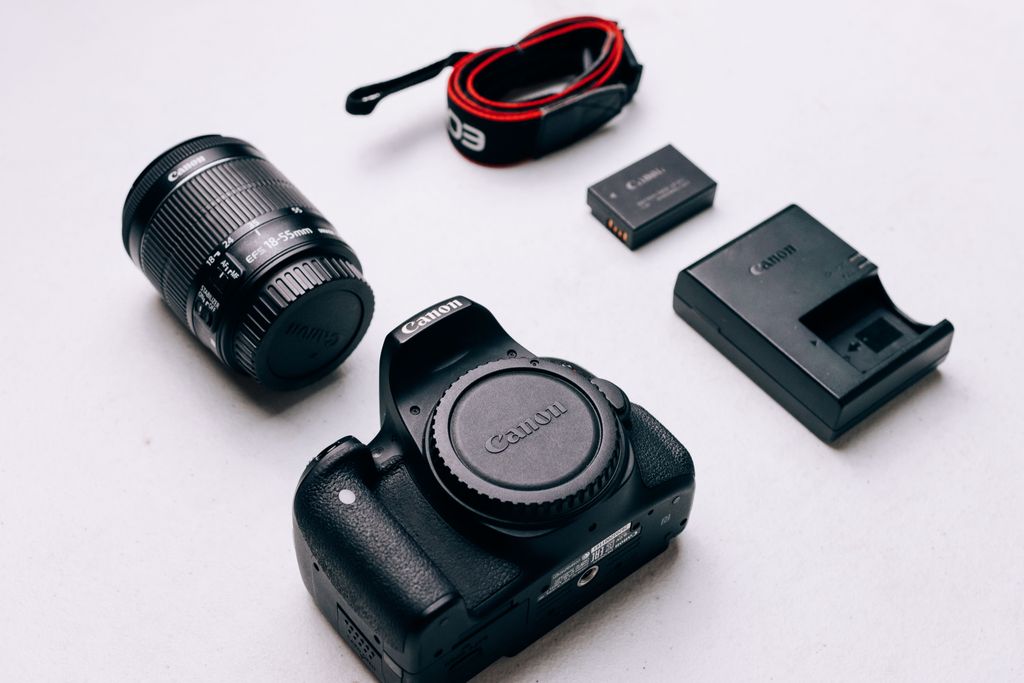
Your gear needs depend heavily on your niche.
A portrait photographer can often start with less. A wedding photographer needs more redundancy because there is very little room for gear failure.
When we started, we already had some beginner gear (having been photography hobbyists for a long time), but we needed to upgrade. At the time, that meant moving into professional Canon DSLR bodies like the Canon 5D Mark III and Mark IV. Today, I use Canon mirrorless bodies like the R6 line.
You do not need the exact gear I use. But you do need gear that can handle the work you are selling.
Basic photography gear may include:
- Camera body
- Backup camera body, especially for weddings
- Lenses suited to your niche
- Memory cards
- Batteries
- Flash or lighting equipment
- Camera bag
- Backup storage
- Editing computer
- Editing software
For weddings, I would be very cautious about shooting professionally without backups. Bodies can fail. Cards can fail. Flashes can fail. You need a plan. I’ve experienced all of these things, actually!
For portraits, like I said, you may be able to start a little leaner.
In the early days, you can also keep business tools fairly simple. But over time, you will probably want things like:
- CRM for inquiries, contracts, invoices, and workflows
- Online gallery delivery platform
- Bookkeeping software
- Website platform
- Email account on your domain
- Scheduling tool
- Contract templates or legal support
- Backup system for files
A CRM is especially useful once inquiries start coming in regularly. It helps you manage contact forms, automated responses, proposals, contracts, invoices, and communication in one place.
Do Not Treat File Backup as an Afterthought
File backup is not the most exciting part of photography, but it is one of the most important.
When clients are paying you, especially for weddings or once-in-a-lifetime events, protecting the images becomes a serious part of the job. It is not enough to just take good photos. You also need a process for making sure those files are safe after you take them!
For high-stakes work, I strongly prefer cameras with dual card slots when possible. That gives you an immediate backup while you are shooting. You also want enough memory cards that you are not constantly formatting cards too quickly or taking unnecessary risks because you are short on storage.
In my own workflow, I back up images immediately after getting home. The files are protected across SD cards, physical hard drives, and cloud storage. That may sound like overkill when you are new, but after you have photographed enough important events, you start to realize how much trust clients are placing in you.
A simple photography file backup workflow might include:
- Shooting to two cards when possible
- Keeping memory cards untouched until files are backed up
- Backing up to a physical hard drive after the session or wedding (can also set up a NAS)
- Using cloud storage or offsite backup
- Delivering final images through a professional gallery platform
- Keeping finished galleries available for a defined period of time
Your exact system may change as your business grows, but the principle should not: do not leave client files in one place only.
10. Understand the Startup Costs
Starting a photography business can be relatively affordable compared to many industries, but it is not free.
Some people can start with a camera they already own, one or two lenses, a simple website, and a lean setup. This is basically what I did!
Others may need to invest thousands of dollars before they are ready to take paid work seriously, especially if they are entering weddings or working as a two-person team. I’d estimate the average photographer business startup cost is going to be around $10,000 or so.
For my wife and I, we eventually invested around $20,000 into the early stage of the business. This was over the first 2 years or so in business, so not all at once in a big lump sum. A big part of that investment was in updating our gear. We needed multiple professional camera bodies, multiple lenses, lighting, bags, storage, and enough equipment to support two shooters.
But we did not buy everything at once…
We built it piece by piece…
A rough startup budget might include:
- Camera gear: $2,000 to $10,000+
- Website and domain: $100 to $500+
- CRM or business software: varies by platform
- Contracts: $100 to $1,000+
- Insurance: varies by coverage (I pay around $70/month these days)
- Branding or design: optional early on
- Education or mentoring: optional but can be useful
- Accounting or legal help: varies
You can start lean, especially if you are doing simpler portrait work.
The good news about the photography industry is that the recurring costs (what you need to spend after those initial big purchases) can also be fairly manageable once the business is established, especially if you control your spending and budget well.
In my own business, many of the ongoing expenses are things like subscriptions, gallery tools, website costs, bookkeeping software, and occasional gear replacement. These days my actual yearly overhead is only around ~$4,000. The bigger expense in the beginning was getting the core equipment and systems in place!
Early on, it is easy to spend money as a way to feel like you are building the business. Sometimes that is useful. Sometimes it is avoidance.
A new lens, course, preset pack, website template, or software subscription can feel like progress. And sometimes it is.
But, importantly, I would try to connect every expense to a real business need.
- Does this help you get clients?
- Deliver better work?
- Protect the business?
- Save meaningful time?
- Serve people better?
If not, it may be worth waiting.
Business System Products to Check Out!
-
Client Experience Nurturing System
Original price was: $39.00.$29.00Current price is: $29.00. -
Family Photo List Template
Original price was: $19.00.$9.00Current price is: $9.00. -
Inquiry to Booking System
Original price was: $39.00.$29.00Current price is: $29.00. -
Wedding Timeline System
Original price was: $29.00.$19.00Current price is: $19.00.




How to Start a Photography Business With Little Money
If you are asking how to start a photography business with no money (or very little money), my honest advice is this: keep your overhead low, use what you already have, build experience first, and strongly consider keeping a stable job while the business grows.
That is what I did…
It was hard. It was exhausting at times. But it gave me stability, helped me save money, and made the transition into full-time self-employment less fragile.
That was definitely my preference.
With that said, some people have a higher risk tolerance and are comfortable going “all in” quickly. Some take out loans, invest heavily, and figure it out as they go. I know people who have done this, and some have come out successfully (and others not so much). So, keep in mind, any of these approaches can work, but it also adds pressure. If the business does not generate sales quickly enough, you are still responsible for that debt.
If I were starting again with little money, I would probably do something close to what I actually did:
- Work a stable job while building the business
- Start with the gear I already had
- Buy only what I truly needed next
- Take lower-risk paid work first
- Keep software expenses minimal
- Reinvest early income into gear, contracts, education, and the website
- Avoid debt unless there was a very clear reason for it
Keep in mind, photography (as a business/industry) is very accessible compared to many businesses, but it still costs something. The trick is not pretending you can start completely for free. The trick is being careful about what you buy, when you buy it, and whether it actually helps you get closer to paid work.
And most importantly, understand that even if you manage to get started with little money upfront, you will be spending a good deal of your free time working to get it started!
11. Learn How to Get Clients
A photography business does not work without clients.
That sounds obvious, but a lot of photographers spend too much time thinking about gear, presets, logos, or social media aesthetics before they have a real plan for getting people to hire them.
Getting clients usually comes from a mix of marketing efforts and other factors like:
- Portfolio quality
- Clear niche
- Website visibility
- SEO (one of my personal favorites)
- Social media
- Referrals
- Vendor relationships
- Reviews
- Word of mouth
- Strong inquiry response
- Clear pricing and communication
In the beginning, your first clients may come from people you know. Friends, family, coworkers, acquaintances, and local connections can help you get early momentum.
Over time, you want to build systems that make your business less dependent on your immediate network.
For us, SEO and blogging became a major part of that. We built content around venues, locations, weddings, sessions, and questions our clients were searching for. That helped bring in leads month after month.
But getting the inquiry is only part of the process.
You also need to know how to respond well to the inquiry, follow up, and guide the person toward booking.
The biggest difference between my first year in business and where I am now is consistency. In the beginning, I was a good photographer, but I was still learning how to run the business day to day, week to week, month to month.
Now, many of those things feel like second nature: generating leads, responding to inquiries, sending pricing, delivering galleries, managing expectations, and keeping the business moving.
That consistency did not happen overnight. It came from learning the business side, making mistakes, and gradually building systems that made the work repeatable.
12. Build a Client Experience That Supports the Business
Once someone books you, the job is not just to show up and take photos.
Your client experience matters!
If you visit any groups of photographers, you’ll hear this a lot. “It’s all about the experience” – it’s true, but often it’s left a little open ended as to what exactly that means. I personally have made it a goal to define my client experience with objective, measurable, touchpoints.
This includes things like:
- Welcome emails
- Questionnaires
- Timeline planning
- Session preparation
- Wedding day communication
- Gallery delivery
- Review requests
- Follow-up after delivery
You do not need a complex client experience system on day one. But you should think about what your clients need at each stage.
In weddings especially, clients are often looking for guidance. They may not know how much time portraits take, when to schedule family photos, whether they should do a first look, or how to plan buffer time.
This is where templates and systems become valuable.
The goal is not to make the business feel robotic. It is to make sure clients feel cared for consistently.

Get the Client Experience Nurturing System
13. When Should You Leave Your Job to Go Full-Time?
This is one of the bigger decisions in the process, and I would not treat it casually.
For me, staying employed while building the business was the right choice. It gave me stability, health insurance, and the ability to save money. But it also came with a cost. There were seasons where I was working full-time, then coming home and working on the photography business late into the night. I remember being exhausted, falling asleep at my desk, and wondering if it was all actually going to work.
Eventually, something had to give…
There is no perfect moment to go full-time, but there are signs that you may be getting close:
- You are booking consistently
- Your inquiries are not just random
- You understand your monthly business and personal expenses
- You have savings set aside
- You have a repeatable marketing channel
- You know where your clients are coming from
- Your pricing can actually support your life
- Your workload is becoming difficult to manage alongside your job
- You are prepared for slower months
I originally planned to leave my corporate job around 2020, but I stayed just a little longer because of the uncertainty around the pandemic. Looking back, the business weathered that period better than I expected. I probably could have left earlier and saved myself some stress (and in fact probably could have went full time as a photographer in my late 2nd/3rd year). Hindsight is always 20/20 though!
At the same time, I do not regret being conservative in my choices. The money I saved gave me a lot of stability, and for my personality, that mattered.
Your risk tolerance matters here. Your household responsibilities matter. Your savings matter. Your income consistency matters. These are all factors that play a role in making this sort of decision.
Going full-time can be freeing, but it is still a business decision. Treat it like one.
14. Know the Risks Before You Start
Starting a photography business can be life-changing, but it is still a business.
There are risks that come with that…
The biggest one is simple: it may not work.
You may not make enough sales. You may underprice yourself. You may spend too much. You may burn out. You may struggle to get consistent inquiries. You may discover that you like photography more as a hobby than as a job.
There are also personal risks that can’t be overlooked or ignored…
When I was building the business while working full time, I missed a lot of things. Family events. Time with friends. Time with my wife. There were seasons where I was just working constantly, and it did take a toll.
There is also legal and client risk. When you are a service provider, you are responsible for the work you deliver. Clients may be unhappy. Gear may fail. A timeline may run late. Someone may cancel. Something may happen that requires you to rely on your contract or insurance.
I do not say this to scare you. I say it because you should start off with open eyes.
The good news is that risk can be managed. Keep your day job until the business is ready if that makes sense for your life. Save money. Use contracts. Get insurance. Track your finances. Start lean. Learn sales and marketing. Avoid unnecessary debt. Build systems early.
And especially in the beginning, focus on making one clear offer work before adding five more.
Eventually, diversification can be helpful. You may add albums, prints, education, affiliate income, commercial work, or other offers. But early on, trying to build too many income streams can make the business harder to understand and harder to market.
Start with one clear service. Make it work. Then expand from a stronger foundation.
Risk is part of the game. But you can make it less chaotic.
15. Know the Rewards Too!
The rewards of starting a photography business can be significant.
For me, the biggest reward has been freedom.
Not unlimited freedom. Running a business still takes work. Sometimes it takes more work than a regular job. But the time feels different when you are building something that belongs to you.
I have more control over my schedule. I get to spend more time with my wife and son. I can go skateboarding during the week. I can work on music. I can travel more easily than I could with a traditional PTO schedule. If I am sick, I can take the day without asking a boss.
There are tradeoffs, too, of course.
In the early years, some of that freedom can feel like an illusion because you may simply be working more. But even then, the work felt different to me. I could get up and take a walk. I could put on music. I could work in a way that felt more connected to the life I actually wanted to build. A lot different than having a manager come over to my desk all the time to check on me.
It’s also my opinion that photography also carries a kind of meaning that not every business has. When you photograph weddings, families, couples, or portraits (all these things in particular), you are not just creating files. You are creating evidence of people’s lives.
That matters, a whole lot!. And that is part of why photography can feel like more than “just a job.”
16. What I’d Do Differently If I Started Again
I do not have many huge regrets because the path I took got me here.
But there are things I would handle differently…
First, I would look to learn more about and understand taxes earlier. I would talk to an accountant sooner and make sure I knew what to set aside from the beginning.
Second, I might have left my corporate job earlier. I originally planned to leave around 2020, then stayed longer because of the uncertainty around the pandemic. Looking back, the business weathered that period better than I expected. I probably could have saved myself some stress.
That said, I also do not regret being conservative. The money I saved gave me stability. And for my personality, that mattered a lot.
Third, I would take the business side seriously sooner.
Not in a soulless way. But I would learn marketing, sales, contracts, pricing, workflows, and client communication earlier. Creative skill matters, but the business survives on the business side. If I could go back to college, I’d probably have skipped my psych and philosophy degrees and instead learned more about business.
The key thing that changed from my first year to where I am now is consistency. I still have things to learn, of course. But a lot of what felt difficult in the beginning is now second nature because I have done it repeatedly for years.
I still remember what it was like to be at the start, though. Being up late. Falling asleep at my desk. Wondering if the work was going to pay off. Trying to keep up with editing, emails, client work, and a day job at the same time.
That is part of why I care about helping photographers build better systems earlier. Not because systems make the work effortless, but because they can help you get to a stronger place faster than I did.
If I had to condense the lesson, it would be this:
Take the art seriously, but take the business seriously too.
Learn From People Who Are Actually Doing It
One thing I would encourage new photographers to do is learn from people who are actually doing the kind of work they want to do.
That can happen through second shooting, assisting, mentorship, workshops, local communities, online groups, or simply connecting with other business owners. It has never been easier to find people through social media, Facebook groups, local vendor networks, and photography communities.
But I would also be careful.
Not every opinion online is useful. Not every successful photographer has a business model that fits your goals. Not every person teaching photography is teaching from a place you actually want to go. If I’m being honest, there is also a lot of “snake oil” in this industry.
Look for people whose work, business, and life seem aligned with what you want to build. If you want a calm, sustainable wedding photography business, advice from someone running a high-volume, burnout-heavy model may not be the right fit. If you want to build slowly while keeping a day job, advice from someone who tells everyone to quit immediately may not serve you.
Community matters because building alone can make every decision feel heavier than it needs to be. The right people can help you see what is normal, what is avoidable, and what is worth taking seriously.
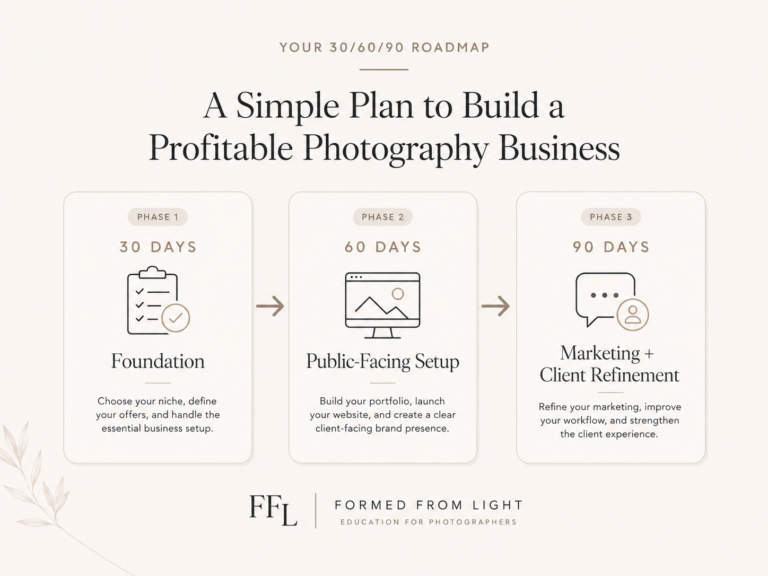
17. A Simple 30/60/90-Day Plan for Starting a Photography Business
If you are at the very beginning, the hardest part is often knowing what to do first.
There are too many possible tasks. Gear. Website. Instagram. Business cards. Contracts. Pricing. Branding. Education. SEO. Client experience. It can become a lot very quickly.
So here is a simple way to think about your first 90 days.
First 30 Days: Clarify and Set the Foundation
In the first month, focus on getting clear.
Choose the niche you want to pursue first. Pick a business name or at least narrow your options. Research your legal setup. Start looking into contracts, insurance, and bookkeeping. Take inventory of the gear you already have and what you truly need next.
This is also a good time to schedule portfolio-building shoots. If you want to photograph portraits, start photographing people. If you want to photograph weddings, start looking for second shooting, assisting, or shadowing opportunities (and still do some portrait gigs to get familiar with that, too).
The goal of the first 30 days is not to build the whole business. It is to stop floating around in the idea stage and start creating structure.
Days 31 to 60: Build the Public-Facing Pieces
In the second month, build the things people need in order to understand and contact you.
Create a basic website. Set up your contact form. Build a small portfolio. Create your main social profiles. Write a simple about section. Decide whether you will show starting prices or guide people to inquire.
This is also a good time to create your first basic inquiry response. It does not need to be perfect. It just needs to help you respond clearly when someone reaches out. I also have a Free Automated Inquiry Response Email template you can get.
The goal of days 31–60 is to become hireable.
Days 61 to 90: Start Marketing and Improve the Process
In the third month, start getting your work in front of people more consistently.
Post your portfolio work. Reach out to vendors. Ask friends, family, or early clients for referrals. Create location-based content if SEO is part of your plan. Start testing your pricing. Take on your first paid work if you are ready.
As inquiries come in, pay attention to what feels unclear. Do people understand what you offer? Are they asking the same questions? Are they disappearing after you send pricing? Are you following up?
The goal of days 61–90 is not to have everything figured out. It is to start learning from real feedback.
18. Starter Checklist for Your Photography Business
Here is a simple checklist you can use as a reference.
Business Foundation
- Choose your niche
- Choose your business name
- Research your business structure
- Register your business if needed
- Open a business bank account
- Set up basic bookkeeping
- Learn your tax responsibilities
- Get contracts in place
- Look into business insurance
Portfolio and Offer
- Build a starter portfolio
- Choose your first service offering
- Create simple pricing or packages
- Decide what is included
- Practice the type of work you want to sell
- Get feedback on your images and client experience
Marketing and Lead Capture
- Build a basic website
- Set up a contact form
- Create social media accounts
- Create a simple marketing plan
- Start sharing your work consistently
- Ask for reviews or testimonials when appropriate
- Create a basic inquiry response template
- Start building an email list when appropriate
Systems and Client Experience
- Choose a CRM when you are ready
- Use contracts for every paid booking
- Create a simple client communication process
- Deliver galleries professionally
- Back up client files in multiple places
- Track inquiries and bookings
- Improve as you learn
This would help you start a photography business out on the right foot. Keep in mind, you do not need to complete every single thing before you accept your first paid session. But the more of these pieces you put in place, the more seriously and sustainably you can operate!
19. Inject Your Soul Into the Business
It is easy for conversations about starting a photography business to become fixated on gear, money, legal setup, and marketing.
Those things do matter (which is why it’s part of the conversation).
But they are not the whole thing…
Most photographers are not starting this kind of business because they want to build some faceless company. They are drawn to photography because it lets them create something meaningful.
That part matters too!
Your taste matters. Your personality matters. Your way of seeing people matters. Your values matter. The way you communicate matters. The way you make people feel matters…It’s more than just money.
This is especially true for weddings, elopements, and portraits. People are often hiring you for moments that are emotional, personal, and difficult to recreate. They are not just buying technical skills. They are trusting you with something that matters to them.
So yes, set up the business correctly. Learn marketing. Use contracts. Get your gear in order. Build systems…
But do not remove yourself from the business in the process.
The thing that makes your photography business worth building is not just that it can make money.
It is that it can become a meaningful expression of your work, your values, and the kind of life you are trying to create.
Interested in thinking more about how photography gives our lives (personal and business) meaning? I put together a free eBook you can download today about this topic – Finding Fulfillment Through Photography.
FAQ: Starting a Photography Business
How much money do you need to start a photography business?
It depends on your niche and what gear you already own. Some photographers can start with a few thousand dollars or less, especially for portraits. Wedding photographers often need more because backup gear, lenses, lighting, storage, insurance, and contracts matter more when the stakes are high. I’d estimate start up costs to be around $10,000 (solo business owner), upwards of $20,000 if you run a partnership business (like my wife and I run).
Can you start a photography business with no experience?
You can start learning and building toward a business with little experience, but I would be careful about taking paid work before you can confidently deliver what you are selling. Start with practice shoots, shadowing, assisting, second shooting, and portfolio building.
Can you start a photography business with no money?
You can start lean, but it is hard to start with truly no money. Use what you have, keep expenses low, build a portfolio, and consider keeping a stable job while the business grows. Keep in mind, what you don’t buy with money, you often have to buy with your time.
Do I need an LLC to start a photography business?
Not always, but many photographers consider forming an LLC for liability and business separation reasons. I believe LLC is the right business type for most photographers who are wanting a serious business. Of course, specific requirements and benefits vary by state and situation, so it is worth checking official state resources and talking with a qualified professional.
What type of photography business should I start?
Choose a niche based on your interests, market demand, risk tolerance, and the kind of work you want to do repeatedly. Weddings, elopements, families, portraits, headshots, branding, real estate, and commercial work can all be viable, but they require different skills and business models. I believe that niches that serve people directly like weddings and portraits are the best right now, particularly for their higher likelihood of weathering AI related changes in our industries.
What is the hardest part of starting a photography business?
For many photographers, the hardest part is not taking photos. It is learning how to get clients, price the work, manage communication, handle finances, and stay consistent when the business feels uncertain.
Final Thoughts
Starting a photography business is not easy, but it is very much possible. I am an example of that if you need one!
You do not need to have everything figured out from the beginning. You need a clear enough niche, a legal and financial foundation, a starter portfolio, a way for people to find you, a way for people to inquire, and a process for turning those inquiries into booked clients.
From there, you improve.
You refine your pricing. You upgrade your gear. You strengthen your website. You build better workflows. You learn what kind of clients you want. You make mistakes, fix them, and keep going.
For me, starting a photography business changed my life. It gave me work that feels meaningful, more ownership of my time, more financial upside, and a life that feels more aligned with what I actually wanted.
If you are serious about building your own photography business, start with the basics, but do not stop there. Build the systems that help the business actually work.
Where to Go Next
If you are still figuring out the basics, start with the Photography Business hub. It will help you find the main guides, tools, and systems that support the business side of photography.
If you are ready to focus on getting clients, read the guide on how photographers get clients. This is the next natural step once you understand the basic structure of the business.
If you are getting inquiries but struggling to turn them into bookings, the Inquiry → Booking System for Photographers is designed to help you build a clearer response, follow-up, and booking process.
If you are booking clients and want to improve the experience after they hire you, the Client Experience Nurturing System for Photographers gives you a more structured communication flow from booking through delivery.